

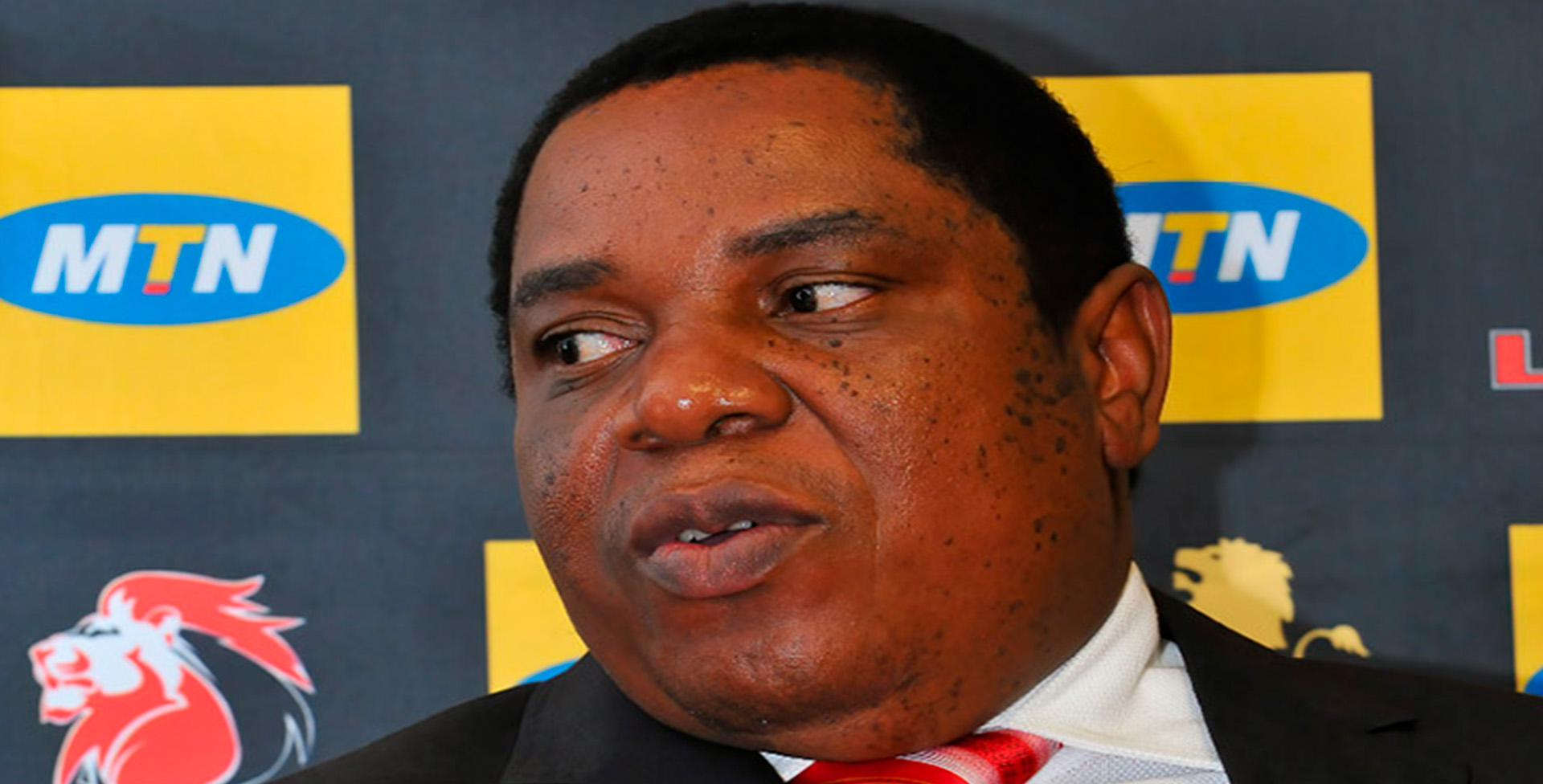
A look at Robert Gumede’s vision for a diversified industrial future
In the pantheon of South African industrialists, few names resonate with the dual power of self-made success and Pan-African ambition like Robert Matana Gumede. As the Executive Chairman of the Guma Africa Group, Gumede oversees a diversified Afro-global conglomerate that employs over 51 000 people and operates across 32 African countries. Yet, to understand the man who today negotiates multi-billion-rand deals and advises the FIFA Foundation Board, one must look back to the streets of Nelspruit and the fundamental philosophy of Ubuntu that continues to guide his hand.
The Making of the Man: From Caddie to Counsel
The story of Robert Gumede is a masterclass in resilience. Raised as one of seven children by his mother and grandmother in Nelspruit, his early life was defined by the necessity of hard work and the drive to elevate his family’s circumstances. Before he was a titan of industry, he was a golf caddie, a gardener, and a petrol attendant. These roles were not merely jobs; they were the forge in which his work ethic was tempered. He learned early that he cared about people, not as abstract statistics, but as families and communities deserving of dignity.
This determination led him to the University of Zululand, where he studied law and graduated in 1986. His initial professional years as a clerk and prosecutor at the Kabokweni Magistrate’s Court, and later as a secretary for the Ministries of Justice and Public Works in the KaNgwane government, provided him with a rigorous understanding of the structures of governance and justice. However, it was his political activities during the height of apartheid that eventually forced a pivot from the public sector to the world of business.
Building an Empire: The Gijima Legacy
In 1988, Gumede founded Gijima Electronic and Security Systems, marking the start of a business career that would eventually redefine the South African ICT landscape. Moving to Johannesburg in 1992, he applied a consultant’s eye to the market, identifying gaps that others missed. By the mid-1990s, the “Gijima” brand had expanded into stationery and protection services, and he even ventured into sports by leading the Dangerous Darkies soccer club to the top-tier National Soccer League.
The true breakthrough came in 1997 with the establishment of an IT company that secured pivotal government tenders to modernise the Department of Justice and Home Affairs. This entity evolved into Gijima Afrika Smart Technologies (GijimaAST), a powerhouse that demonstrated Gumede’s ability to scale operations to meet national needs. While his journey has faced the scrutiny common to high-profile industrialists, including legal disputes and political associations, Gumede has remained steadfast, maintaining that his success is a product of identifying opportunity where others see only risk.
Resilience in the Face of Adversity
Resilience is the hallmark of the Gumede narrative. He has built himself up from nothing, navigating the transition from a segregated economy to a globalised one. His career has not been without its “clumsy periods”, a term used by his advisors to describe the complexities of high-stakes corporate restructuring, but he has consistently emerged with a clearer focus on the long haul. This resilience is deeply rooted in the Ubuntu philosophy: “I am because we are.” For Gumede, business is not an end in itself; it is a vehicle for social and economic transformation.
The Tongaat Hulett Deal: A Quest to Save an Industry
The recent involvement of Vision Group, under Gumede’s leadership, in the Tongaat Hulett Limited (THL) business rescue process is perhaps his most ambitious undertaking to date. With THL currently employing a staff compliment of approximately 33 000 across the sub-continent, the stakes are nothing short of historical.
When asked why he chose to enter this volatile arena, Gumede’s messaging remains consistent: he is here to save jobs and the sugar industry. The potential collapse of THL would be catastrophic, impacting over 250 000 livelihoods tied to the cane growing sector. Gumede has famously stated that Vision Group’s objective is to find a “lasting solution” rather than “putting a bandage on a cancer wound”. Despite the failure of the Business Rescue Plan at THL and the filing for liquidation, Vision remains the major secured lender to THL, whose security includes the shares in the holding companies in Zimbabwe, Mozambique, and Botswana as well as the related claims. Thus, Vision remains an integral part of any solution to THL’s distress, even under liquidation.
For Gumede, this is not just a debt-to-equity conversion; it is an act of industrial preservation. He has committed R4 billion of Vision’s own capital where others have placed only conditions, reinforcing his position as a builder rather than a mere creditor.
The Vision: Diversification into Energy and Ethanol
Gumede’s vision for Tongaat Hulett extends far beyond the traditional sugar mill. He recognises that for the South African sugar industry to survive, it must evolve. His strategic roadmap involves a fundamental diversification of the THL assets into energy and ethanol production. This future-facing narrative transforms Tongaat from a distressed agricultural firm into a diversified agri-energy giant.
By pivoting toward ethanol and renewable energy, Gumede aims to align THL with global green energy trends and South Africa’s own energy security requirements. This diversification is intended to create new, sustainable jobs and provide a more stable economic base for the 16 000 cane growers who form the backbone of the industry.
A Partner to the Land and the People
A key component of this vision is the relationship with the Zulu Kingdom. Recognising the importance of land and traditional leadership, Gumede has engaged directly with the Zulu Royal Council to ensure that Vision’s ambitions remain in lockstep with the communities that have hosted these mills for over 130 years. He views Vision as a partner to the Zulu Kingdom’s land ambitions, ensuring that the industrialisation of the sugar corridor benefits the people who live and work there.
A Pan-African Industrialist
Gumede’s journey from a caddie in Nelspruit to the Executive Chairman of an international conglomerate operating across 32 African countries is a testament to the power of the African spirit. His work continues to champion the continent’s industrialisation through innovation, partnership, and a profound sense of responsibility toward its people.
As the Tongaat Hulett saga moves toward its next legal and operational milestones, the continent is watching a man who cares deeply about the social fabric of South Africa. Gumede is rebuilding a legacy, anchored in Ubuntu, and driven by a vision of a prosperous, energy-independent Africa.
In his own words, he is here for the long haul, proving that with enough resilience, even the most distressed assets can be transformed into beacons of industrial excellence.