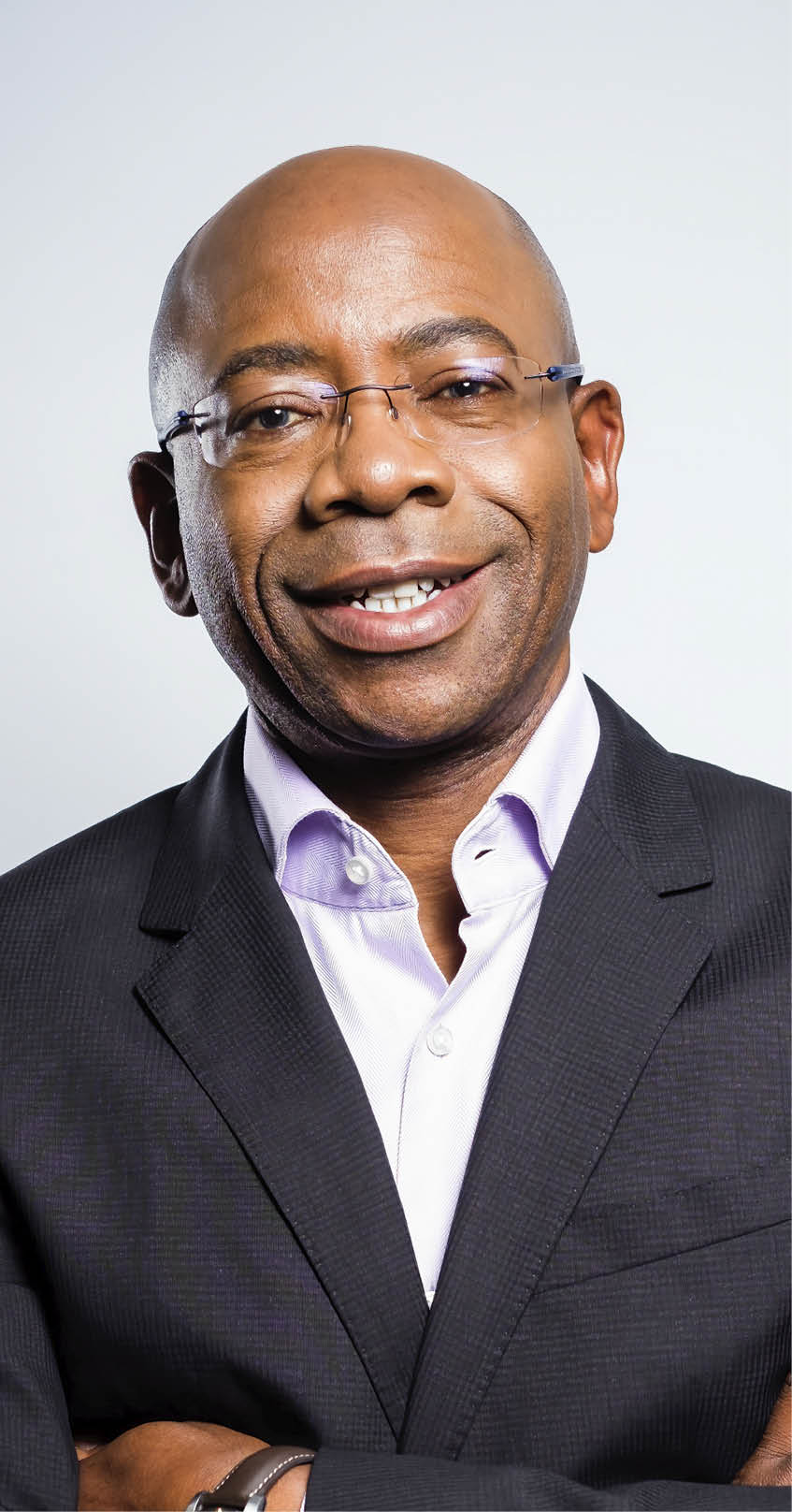
From borderland to economic powerhouse: the visionary journey of Gundo Maswime and the future of Musina and Makhado Special Economic Zone
The road to Musina stretches across vast landscapes, passing through towns, farms and open spaces that seem untouched by the rapid pace of modern development. For many South Africans, Musina is simply a border town, a place travellers pass through on their way to neighbouring countries.
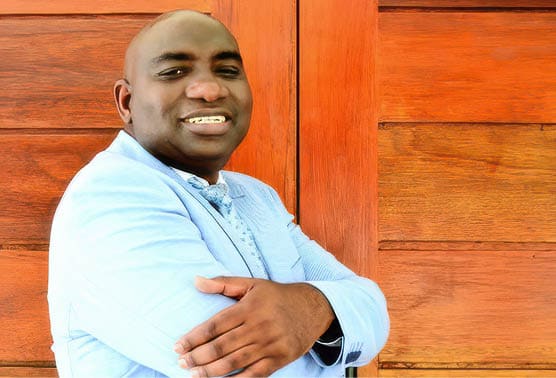
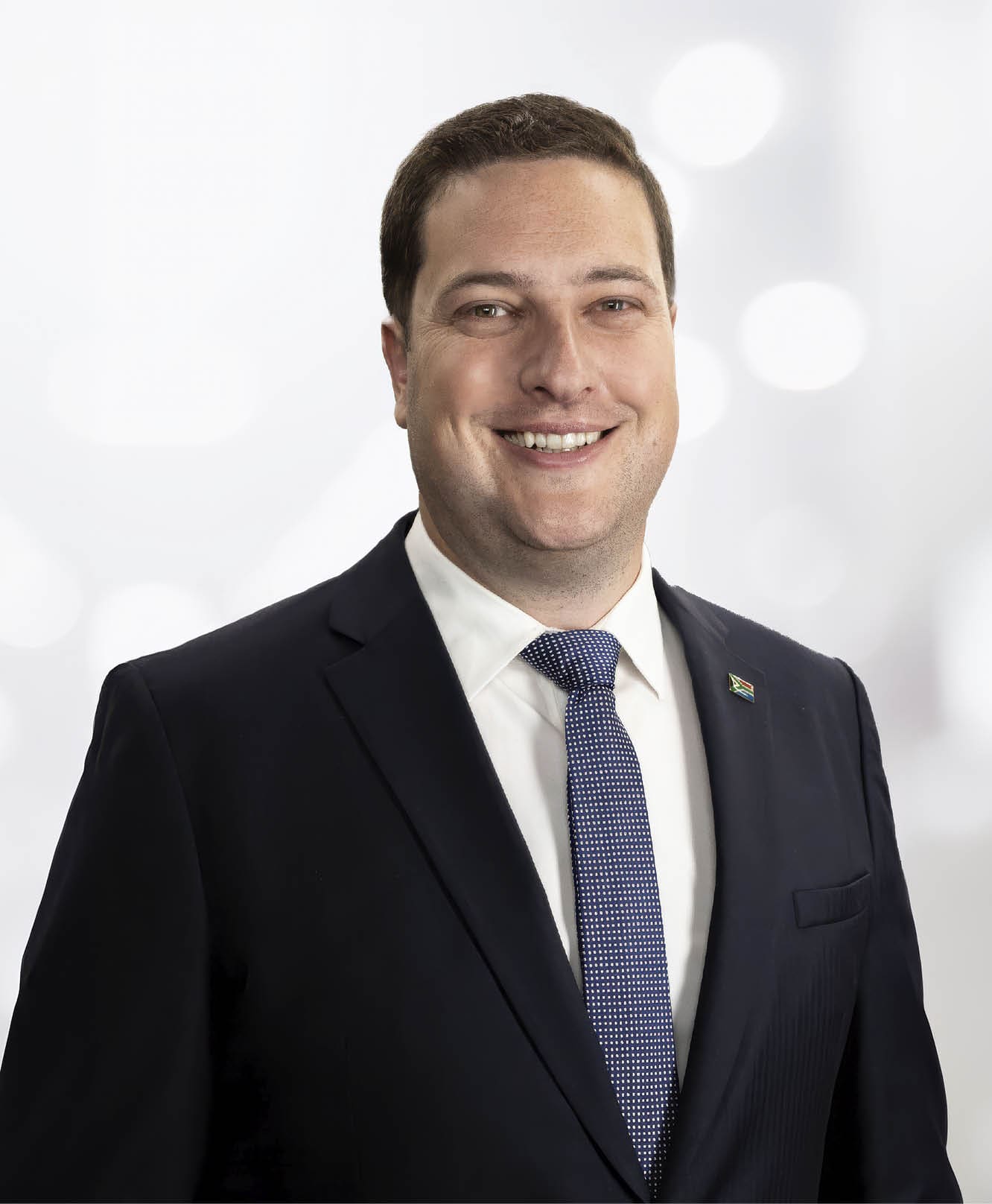
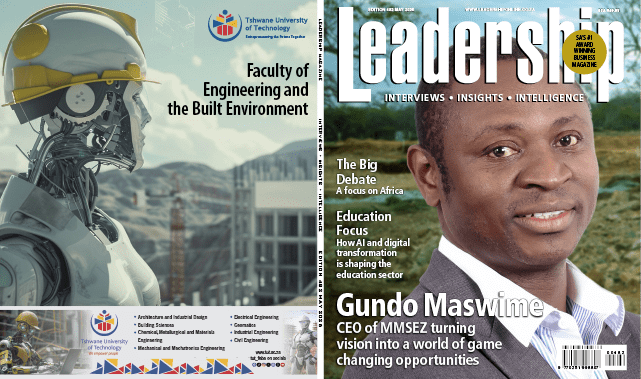
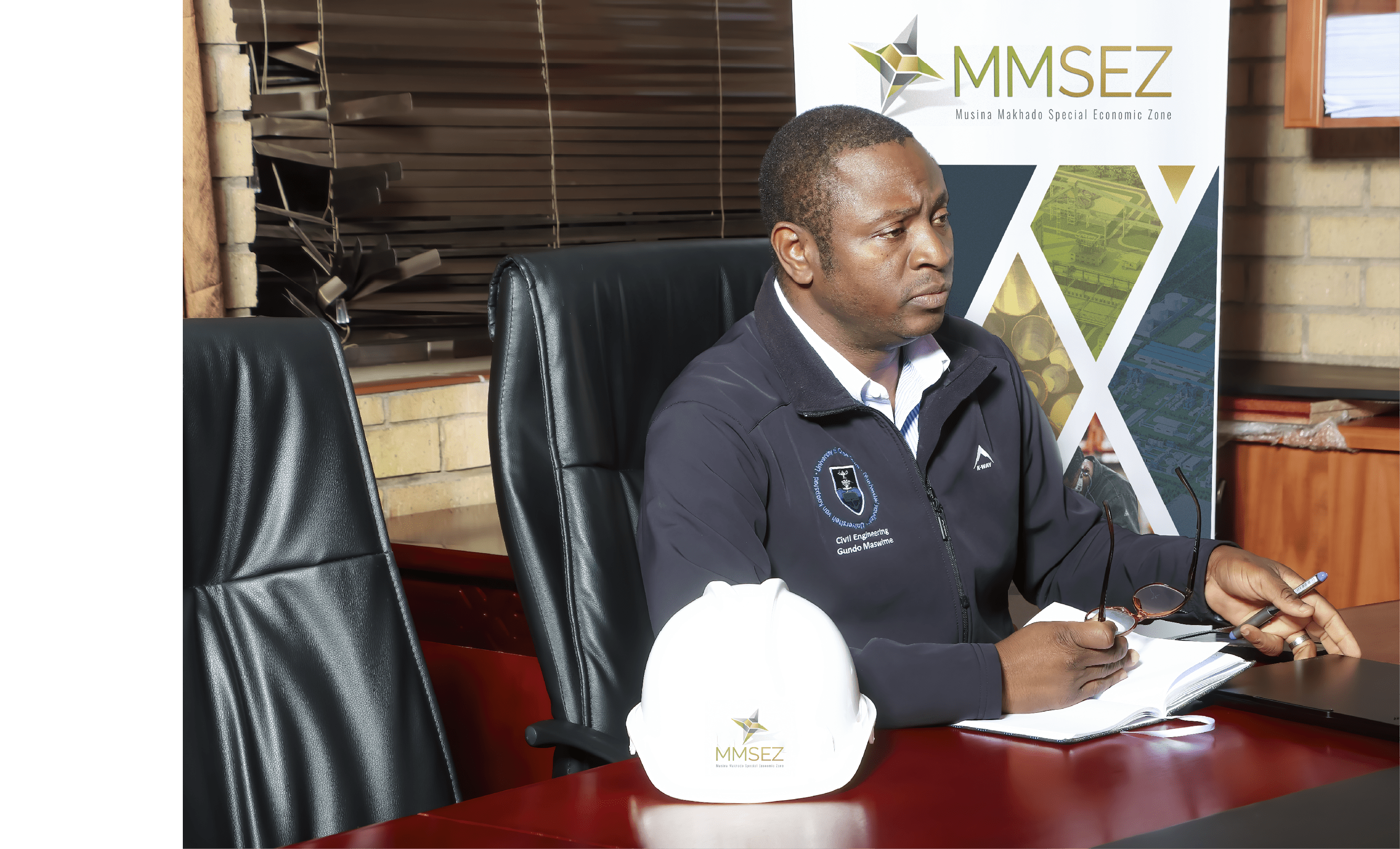
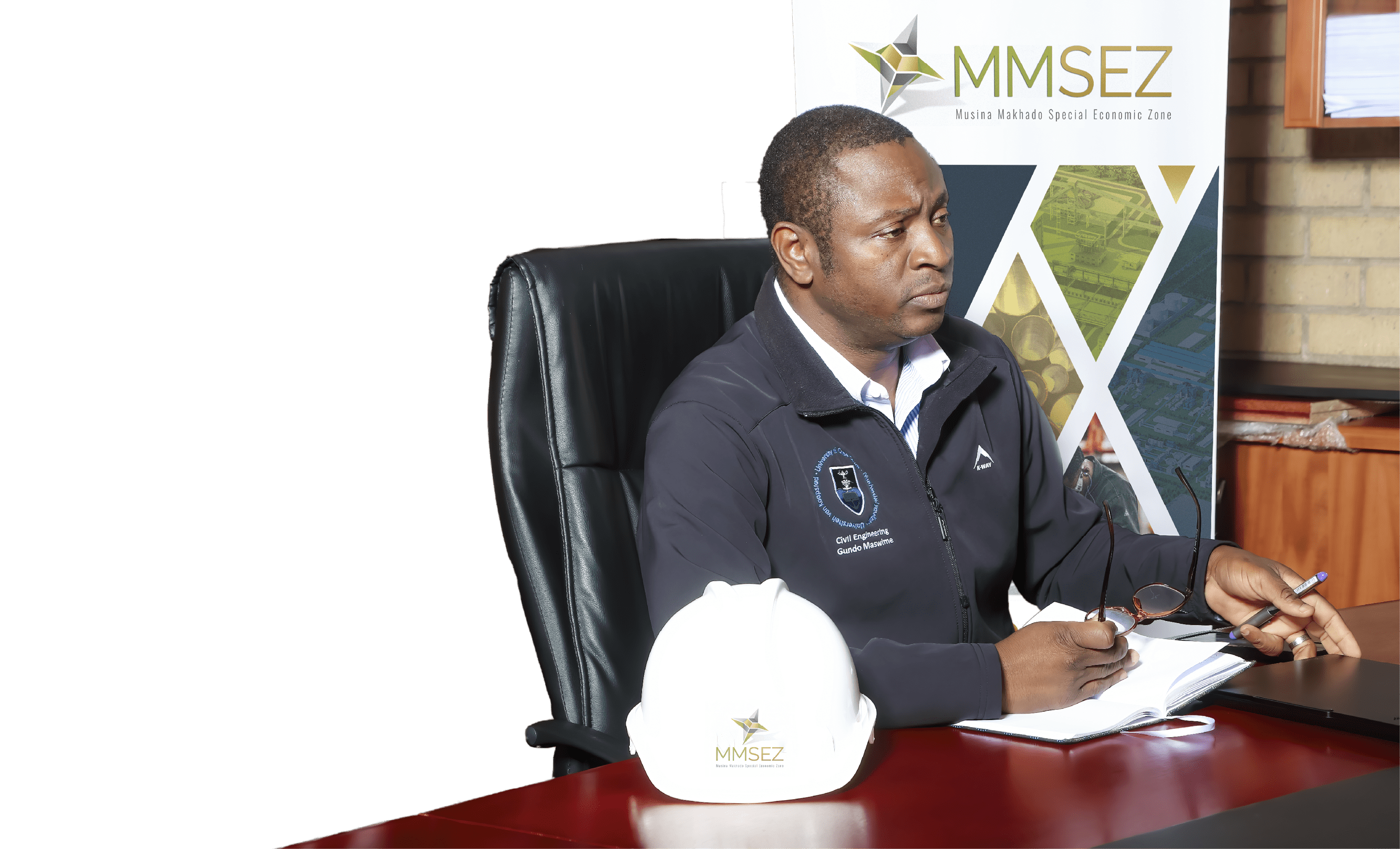
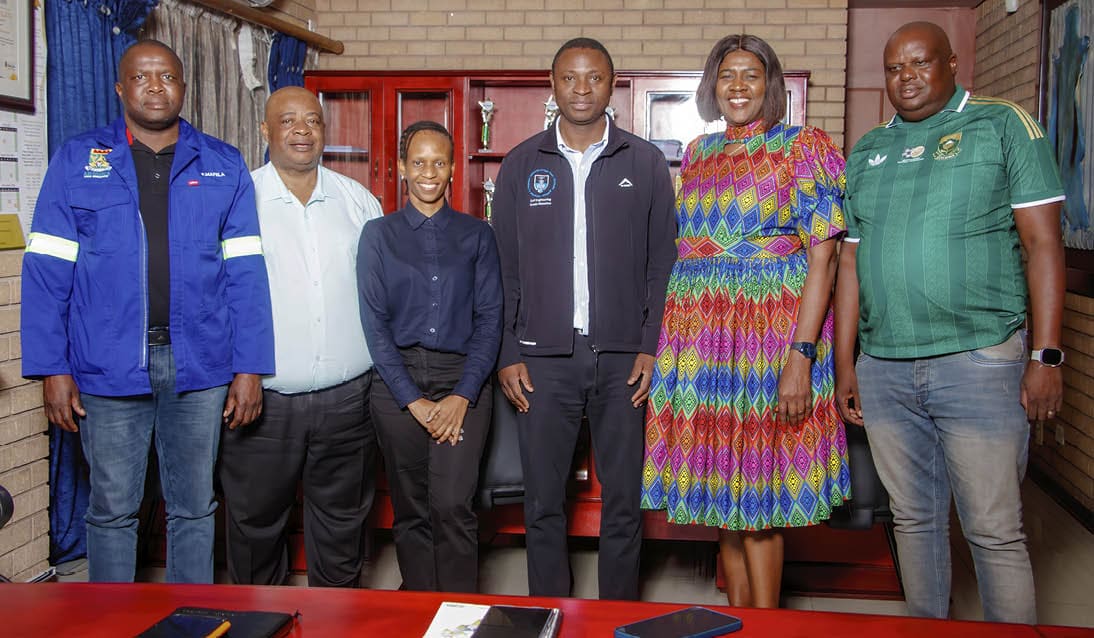
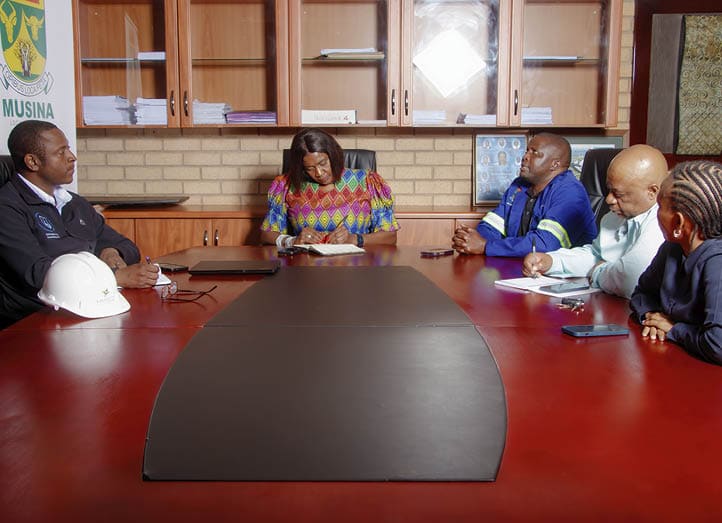
Yet beneath its quiet appearance lies one of the country’s most ambitious economic development projects, a vision that could transform not only a region but also the way South Africa connects with the rest of the continent. At the centre of this vision stands Gundo Maswime, the Chief Executive Officer of the Musina Makhado Special Economic Zone (MMSEZ), a leader tasked with turning possibility into reality. Leadership Editor Prof JJ Tabane sat down with him to understand that his mission is not a small one. It involves building world-class infrastructure, attracting investors, creating jobs, developing skills and positioning the region as a gateway for trade and industry across Southern Africa.
For Maswime, however, the story of the SEZ is not simply about infrastructure or economics. It is a story about people, opportunity and the belief that development can change lives. It is also deeply personal. When he speaks about Musina and the surrounding region, he does so with the familiarity of someone who understands the land beyond maps and statistics. He knows the history of the area. He understands its challenges. More importantly, he recognises its untapped potential. Long before he became the Chief Executive Officer of the SEZ, Maswime built a career in infrastructure development, engineering and project management.
He worked on complex projects, helped turn around struggling initiatives and developed a reputation for solving difficult problems. Yet despite the opportunities available elsewhere, the chance to lead the MMSEZ drew him back to a place that has shaped much of his life. His connection to the region is rooted in family history. His father served as a school principal in the area and played a significant role during South Africa’s liberation struggle. The region carries memories and stories that continue to influence Maswime today. Taking on the responsibility of leading the SEZ was therefore about more than accepting a new position. It was about contributing to the future of a place that holds deep personal meaning.
That sense of purpose is evident in the way he approaches his work. Unlike leaders who focus only on short-term achievements, Maswime speaks about legacy. He talks about creating opportunities for future generations, building infrastructure that will serve communities for decades and establishing a foundation for sustainable economic growth. The MMSEZ is one of South Africa’s most strategic development projects. Situated near the borders of Zimbabwe, Botswana and Mozambique, it occupies a unique position within Southern Africa. Few locations on the continent enjoy such direct access to multiple markets and transport corridors.
For investors, location matters. It determines how goods move, how businesses connect with customers and how efficiently industries can operate. Musina and Makhado offers advantages that few regions can match. Companies establishing operations there will have access to major trade routes, regional markets and opportunities that extend far beyond South Africa’s borders.
Maswime understands this advantage better than most. In many of his discussions with investors, he emphasises that geography is one of the project’s greatest strengths. The region sits at the crossroads of Southern Africa, creating opportunities for manufacturing, logistics, processing industries and international trade. Yet location alone is not enough to guarantee success. Throughout Africa and the world, there are examples of regions blessed with strategic locations that failed to achieve their potential because the necessary infrastructure was never developed. Roads remained incomplete. Water systems were inadequate. Electricity supply was unreliable. Investors looked elsewhere.
Maswime is determined not to allow that to happen at MMSEZ. One of his primary goals is to ensure that infrastructure development takes place with the same efficiency and quality often associated with the private sector. He believes the public sector can deliver projects that meet world-class standards while remaining focused on public benefit rather than profit. This philosophy forms the foundation of what he describes as public entrepreneurial management. The concept is straightforward but powerful. Public institutions should embrace efficiency, innovation and accountability while remaining committed to serving communities.
For MMSEZ, this means creating an environment where businesses can operate confidently. Roads must be reliable. Water systems must be sustainable. Broadband connectivity must support modern industry. Energy infrastructure must provide long-term stability. These elements may not always attract headlines, but they form the backbone of economic development.
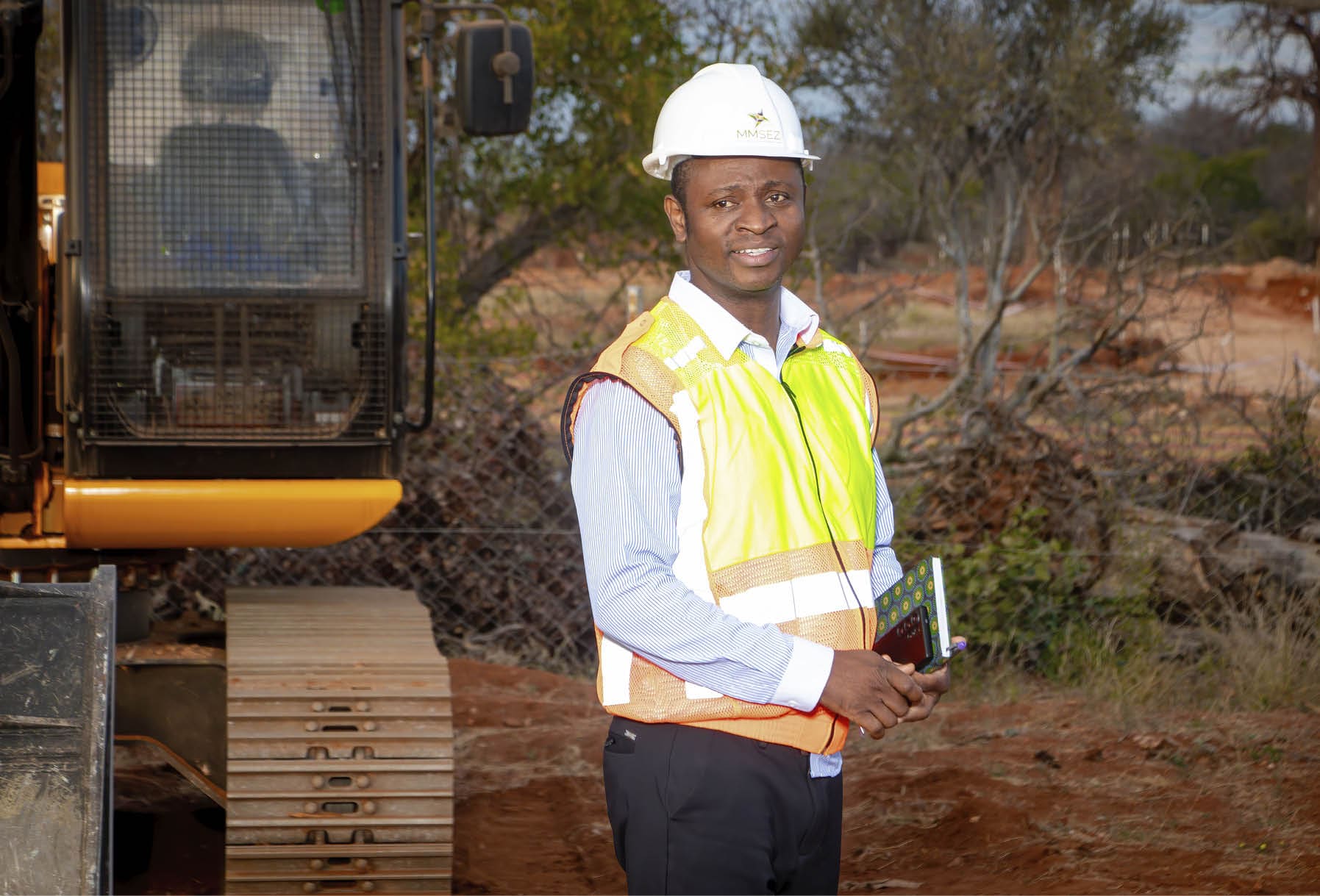
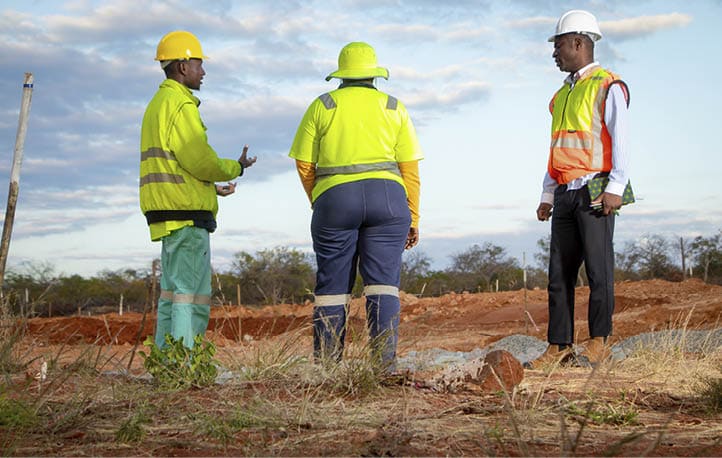
When investors consider a location, they ask practical questions. Will there be enough water? Can products be transported efficiently? Is electricity reliable? Will employees have access to the services they need? Maswime and his team spend much of their time answering these questions through action rather than promises. Construction activity is already underway. Infrastructure projects are moving forward. Plans that once existed only on paper are becoming visible on the ground. This progress is important because investor confidence is built on evidence.
South Africa has seen many ambitious development announcements over the years. While these announcements often generate excitement, investors are increasingly looking for proof that projects will be delivered. They want to see construction taking place. They want to know that timelines are realistic. They want confidence that commitments will translate into results.
Maswime understands this reality. Instead of relying solely on presentations and promotional campaigns, he focuses on demonstrating progress. His message to investors is simple. The development is happening. Infrastructure is being built. Opportunities are emerging. This approach has helped maintain interest from investors who were already considering the region while attracting attention from new potential partners. Financing remains one of the biggest challenges facing any large-scale infrastructure project. Building an economic zone requires significant capital, and government resources alone are rarely sufficient. Rather than viewing this as a limitation, Maswime sees it as an opportunity to develop partnerships.
He has actively engaged development finance institutions, commercial banks and private sector investors to explore funding solutions. His approach is based on collaboration rather than dependence. By creating mutually beneficial arrangements, the SEZ can attract investment while ensuring that public interests remain protected. These partnerships are becoming increasingly important as the scale of development grows. The vision for the SEZ extends far beyond infrastructure. At its heart is the desire to create economic opportunities for communities throughout the region. Too often, large development projects generate impressive statistics without creating meaningful benefits for local people. Maswime is determined to avoid this outcome.
He believes economic growth must be inclusive. Local businesses should participate in development opportunities. Small enterprises should benefit from procurement programmes. Young people should have access to training and employment opportunities. This commitment to inclusion influences many aspects of the SEZ strategy. The organisation actively tracks participation by local businesses and seeks to maximise opportunities for entrepreneurs. Skills development programmes are being explored to ensure that local communities can participate in emerging industries. For Maswime, success will not be measured only by investment figures or the number of buildings constructed. It will also be measured by the opportunities created for ordinary people.
This people-centred approach reflects his broader understanding of development. Economic growth is important. Investment is important. Infrastructure is important. But ultimately, development is about improving lives. As the MMSEZ continues to take shape, it represents more than a collection of projects. It represents a vision for what the region can become. It is a vision built on strategic location, strong leadership, innovative partnerships and a commitment to long-term growth.
Most importantly, it is a vision grounded in the belief that with determination, planning and collaboration, even the most ambitious ideas can become reality.
For Maswime, the journey is still unfolding. Challenges remain. There are obstacles to overcome and milestones yet to be reached. Yet as construction continues and opportunities expand, one thing is becoming increasingly clear. The story of Musina and Makhado is no longer simply about a border town. It is becoming the story of a region preparing to claim its place as one of Southern Africa’s most important economic gateways.
One of the qualities that immediately stands out when speaking to Maswime is his belief that leadership is not about commanding people from the front. Instead, he sees leadership as the ability to bring together capable individuals and create an environment where they can succeed. In an era where many leaders are celebrated for their personal achievements, Maswime speaks more about collective success than individual accomplishment.
His philosophy has been shaped by years of working in engineering, infrastructure development and project implementation. Throughout his career, he has learned that no single person possesses all the knowledge required to solve complex challenges. Major projects involve technical specialists, financial experts, environmental practitioners, planners and community stakeholders. Success depends on their ability to work together towards a common objective.
For this reason, he places great emphasis on building strong teams. He believes that leaders should not feel threatened by talented people. Instead, they should actively seek them out and empower them to contribute. This approach has helped him build relationships with professionals from various disciplines, creating an organisational culture that values expertise and innovation.
At the same time, Maswime understands that leadership sometimes requires difficult decisions. Consultation plays an important role in decision-making, but he believes organisations can become trapped in endless discussions if leaders are unwilling to act. There are moments when all perspectives have been considered and a choice must be made. This balance between listening and acting has become one of the cornerstones of his management style. It allows him to benefit from diverse viewpoints while maintaining momentum on projects that cannot afford unnecessary delays.
The challenge becomes even greater in the public sector, where leaders often operate within complex governance structures. Boards, government departments, regulators and communities all have legitimate interests that must be considered. Managing these relationships requires patience, diplomacy and strategic thinking.
Maswime often finds himself navigating multiple expectations at once. On one hand, investors want speed and certainty. On the other hand, public institutions must ensure compliance, accountability and transparency. Balancing these competing demands requires careful judgement and a clear understanding of long-term objectives.
Fortunately, his experience has prepared him for these responsibilities. Before taking the helm at the SEZ, he was involved in numerous infrastructure projects across South Africa. Many of these assignments required him to step into challenging environments where projects had stalled and progress had come to a standstill. In some instances, construction had stopped for months. Budgets had been exhausted. Contractors had left sites. Communities were frustrated and confidence had disappeared.
Rather than walking away from these situations, Maswime chose to confront them. He immersed himself in understanding why projects had failed and what could be done to revive them. These experiences became an invaluable source of learning. He discovered that many infrastructure failures have surprisingly similar causes. Weak planning, poor coordination, inadequate oversight and limited technical capacity often combine to create serious implementation problems. While funding shortages receive significant attention, they are not always the primary cause of failure.
Often, the underlying issue is the inability to manage complexity. Large projects involve thousands of moving parts. Engineering designs must align with environmental requirements. Procurement processes must support construction schedules. Financial planning must anticipate future demands. Stakeholder engagement must occur continuously. When any of these elements fall out of alignment, progress slows and risks increase.
These lessons continue to influence how Maswime approaches the SEZ today. He understands that success depends not only on securing investment but also on ensuring that systems, processes and people are aligned around a common vision. One of the most important aspects of that vision is infrastructure delivery. Around the world, successful economic zones share one common characteristic. They provide businesses with the certainty required to operate efficiently. Investors are attracted to locations where essential services are reliable, logistics networks function effectively and regulatory processes support growth. Musina and Makhado is being developed with these principles in mind.
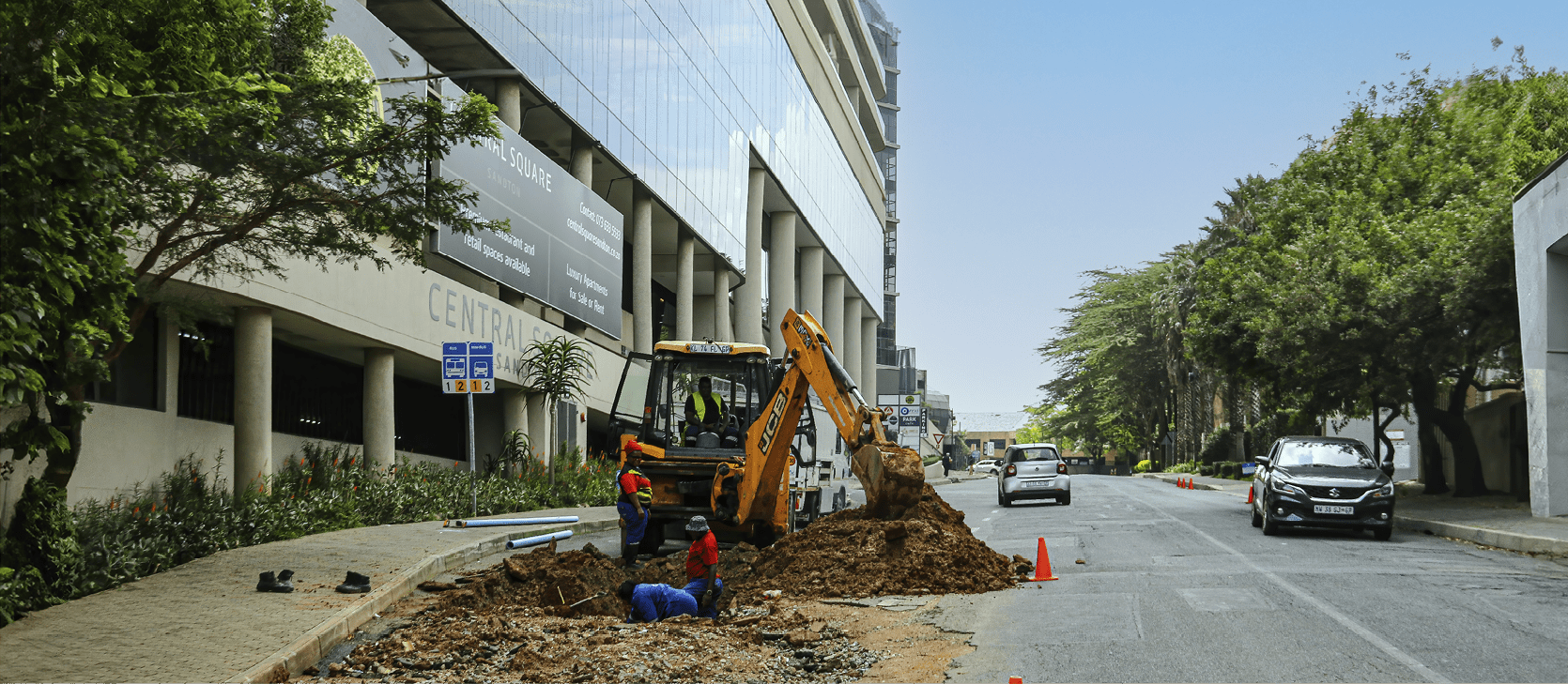
The infrastructure programme is extensive and ambitious. Water systems, road networks, sanitation facilities, digital connectivity and energy solutions are all being developed to support future industrial activity. Each component has been designed not only to meet current needs but also to accommodate future expansion.
Water security has emerged as a particularly important area of focus. Industrial development depends heavily on reliable water supply, making it one of the first concerns raised by potential investors. To address this challenge, the SEZ has explored multiple solutions, including borehole development, refurbishment of existing infrastructure and partnerships that strengthen long-term supply.
This multi-layered approach reflects Maswime’s belief in resilience. He understands that economic zones cannot depend entirely on single sources of supply. Backup systems and alternative options must be available to ensure continuity. The same principle applies to energy. Modern industries require dependable electricity, and interruptions can have significant financial consequences. As a result, energy planning within the SEZ includes consideration of diverse solutions that improve reliability while supporting sustainability objectives. Digital infrastructure is another priority.
A reliable road can connect producers to markets. A stable water supply can support industrial expansion. High-speed internet can open opportunities that were previously unimaginable. By investing in these foundations, the SEZ is creating conditions that enable future growth. Yet infrastructure alone cannot transform a region. Economic development ultimately depends on people. Maswime is particularly passionate about ensuring that local communities benefit from opportunities created by the project. He understands that large developments sometimes generate impressive investment figures while leaving surrounding communities unchanged. This is not the future he envisions. Instead, he wants the SEZ to become a catalyst for inclusive growth.
Maswime frequently speaks about the importance of preparing people for future industries. Economic zones are designed to attract investment, but investment alone does not guarantee meaningful local participation. Workers must possess the skills required to take advantage of emerging opportunities. This understanding has encouraged a strong focus on education and training. The objective is not merely to respond to existing demand but to anticipate future needs. By identifying sectors likely to establish operations within the zone, the organisation can begin supporting programmes that prepare residents for those opportunities. This forward-looking approach has the potential to transform lives.
Young people entering the workforce often struggle to find pathways into meaningful employment. By connecting education with future industry requirements, the SEZ can help bridge this gap. For Maswime, these initiatives are essential because development should not be measured solely by physical infrastructure. Roads and buildings matter, but their true value lies in the opportunities they create for people. Another aspect of the project that continues to attract attention is its regional significance. Few economic zones occupy a location as strategically important as Musina and Makhado.
The development sits at the intersection of major transport routes connecting Southern African countries. This position creates opportunities for trade, logistics and industrial cooperation that extend beyond South Africa’s borders. Maswime sees this as one of the project’s greatest strengths. Rather than viewing neighbouring countries as competitors, he believes they can become partners in growth. Economic activity generated by the SEZ has the potential to support regional supply chains, strengthen trade relationships and encourage investment throughout Southern Africa. This perspective aligns with broader continental ambitions.
Across Africa, governments and institutions are working to increase economic integration and reduce barriers to trade. Initiatives aimed at improving connectivity and strengthening regional cooperation continue to gain momentum. The SEZ is well positioned to contribute to these efforts. Its location, infrastructure and industrial potential make it an important gateway between South Africa and neighbouring economies. As development progresses, this role is expected to become increasingly significant. Looking ahead, Maswime remains focused on execution. He understands that visions alone do not create results.
Strategies must be implemented. Partnerships must be nurtured. Infrastructure must be completed. Opportunities must be translated into tangible outcomes. These responsibilities require persistence, adaptability and patience. Progress does not always occur as quickly as leaders would like. Funding negotiations take time. Regulatory processes require careful management. Unexpected challenges emerge without warning. Yet despite these realities, optimism remains one of Maswime’s defining characteristics. He believes the region possesses extraordinary potential. He sees opportunities where others see obstacles. Most importantly, he remains committed to ensuring that the SEZ becomes a development story defined by delivery rather than promises.
As construction activity continues and partnerships deepen, the vision that once existed primarily on paper is becoming increasingly visible. New infrastructure is taking shape. Investors are paying attention. Communities are beginning to see possibilities that were once difficult to imagine. The transformation of Musina and Makhado will not happen overnight. Major development projects rarely do. However, every completed milestone brings the region closer to a future that only a few years ago seemed distant. For Maswime, that future is worth pursuing. It is a future where a border town becomes an industrial hub, where local communities participate in economic growth, where regional cooperation creates shared prosperity and where strategic vision is matched by practical action. Most importantly, it is a future that demonstrates what can be achieved when leadership is driven not by personal ambition but by a commitment to creating lasting value for others.
Prof Onkgopotse JJ Tabane is Editor of Leadership and BBQ Magazines. He is Professor of Media Studies at the University of Botswana and a convener of Frank Dialogue.
In His Own Words
You bring more than two decades of experience in engineering, infrastructure development, public administration, and municipal leadership. Looking back on your journey, what key experiences have shaped your leadership philosophy and prepared you for your current role as CEO of MMSEZ?
The area is supported by strong road and rail networks, a growing consumer market, and abundant agricultural and mineral resources. These factors create opportunities for logistics, manufacturing, agro-processing, and beneficiation industries. Our focus is on leveraging these strengths to attract both local and international investors.
South Africa’s Special Economic Zones are receiving renewed attention as government seeks to stimulate industrialisation and economic growth. What role do you see the MMSEZ playing in advancing the country’s broader economic development agenda?
The SEZ has the potential to become a major contributor to South Africa’s industrialisation and economic growth objectives. By attracting investment, supporting manufacturing, and creating employment opportunities, the zone can stimulate economic activity both within Limpopo and nationally.
Our goal is to build an industrial ecosystem that supports long-term growth, strengthens exports, and contributes meaningfully to South Africa’s development agenda.
Investor confidence is often linked to the availability of world-class infrastructure. What progress is being made on the zone’s current construction and infrastructure projects, and what milestones should stakeholders be watching over the next few years?
We are prioritising reliable and sustainable infrastructure by developing backup systems for water, electricity, and wastewater management. We have also partnered with leading universities to ensure our infrastructure reflects global best practices.
Construction is progressing steadily, and maintenance planning is being incorporated from the outset. Within the next 18 months, we expect to see the first major structures taking shape, with the necessary infrastructure for investors expected to be in place before the end of 2028.
The MMSEZ focuses on sectors such as logistics, energy, agro-processing, manufacturing, and metallurgy. Which sectors are generating the strongest investor interest at present, and where do you see the greatest growth potential?
Current investor commitments indicate strong interest in agro-processing, manufacturing, and metallurgy, followed by petrochemicals, logistics, and pharmaceuticals.
Agro-processing and manufacturing are expected to generate significant employment opportunities, while metallurgy could attract substantial investment value. As infrastructure development progresses, we anticipate increased investor interest across multiple sectors.
Beyond attracting investment, you have highlighted the importance of ensuring that surrounding communities benefit from the zone’s development. How is MMSEZ balancing economic growth with social upliftment, skills development, and job creation for residents?
Community development is a key priority for the SEZ. We are already investing in bursaries, internships, learnerships, and skills development programmes to prepare residents for future opportunities.
Plans are also underway for a training facility and innovation hub that will support workforce development and entrepreneurship. During construction, we are prioritising labour-intensive methods where appropriate to maximise local employment and economic participation.
As someone who combines technical engineering expertise with advanced studies in public policy and administration, what legacy would you like to build at MMSEZ, and what would success look like for the zone five to ten years from now?
My goal is to build a legacy of implementation, delivery, and sustainable development. In the short term, success means transforming the SEZ into a fully operational industrial hub supported by world-class infrastructure.
Over the next five to ten years, I envision a thriving economic ecosystem that attracts investment, creates jobs, generates revenue, and contributes significantly to the Limpopo economy. Ultimately, I want SEZ to demonstrate that ethical leadership, technical excellence, and effective implementation can drive meaningful and lasting economic transformation.
























































































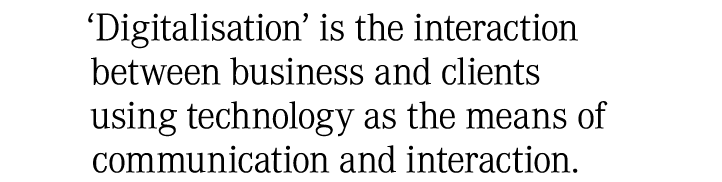
 c (2018, May) assert that technological innovations continuously create new challenges and opportunities in product, service, process and organisational value chain design and development, and contend that these are extremely important strategic issues in the Industry 4.0 economy. The authors stress that opportunities need to be captured to create value through effective digital transformation and change.