

When people think about saving lives, they often
picture doctors, nurses or emergency responders
Rarely do they think about the people designing systems, building resilient organisations or creating environments where healthcare professionals can perform at their best.
Yet that is where leadership quietly changes lives. As a professional engineer by training, I have spent more than two decades solving problems. Early in my career, success was measured by whether infrastructure worked, whether systems were reliable and whether projects were delivered successfully. Alongside this, I developed a deep appreciation for environmental sustainability, recognising that the strongest systems are those designed to endure, adapt and serve future generations responsibly. Today, those same principles guide my leadership. At the South African National Blood Service (SANBS), the systems we build ultimately support an organisation whose purpose is to ensure that safe blood reaches patients when they need it most.
Purpose changes the way you lead
Leadership is no longer about managing functions. It becomes about creating the conditions that allow others to fulfil a mission that matters.
Every blood donation relies on an intricate network of people, facilities, technology, procurement, governance, safety and operational excellence. While these functions may seem removed from the patient receiving a transfusion, they are inseparable from that outcome. A resilient organisation does not happen by chance; it is intentionally built. My passion for sustainability has reinforced this way of thinking, teaching me that resilience is created through thoughtful planning, responsible stewardship of resources and decisions that balance today’s needs with tomorrow’s opportunities. That is why I believe the greatest legacy any leader can leave is not a project or a building. It is an institution that continues delivering impact long after they are gone.
Women have always been builders
Historically, our contributions have often been measured by our ability to nurture people. Today, women are also building organisations, industries and economies. Across South Africa, women are leading scientific institutions, hospitals, engineering projects and public entities that shape millions of lives every day.
We do so while often carrying responsibilities that extend far beyond the workplace. Women’s leadership is frequently characterised by collaboration, resilience and long-term thinking. Rather than seeking quick wins, many women instinctively focus on developing people, strengthening culture and ensuring organisations remain resilient through uncertainty. These are the same qualities that underpin sustainable leadership–creating lasting value while protecting the resources, people and systems that future generations will depend on.
Leadership is ultimately about stewardship
It is about leaving an organisation stronger than you found it. It means building systems that are resilient, fostering a culture of accountability, and making decisions that support both people and the environment for the long term. It is about ensuring that the decisions made today continue benefiting communities’ decades from now.
And in an organisation whose mission is to save lives, there can be no greater legacy than that.
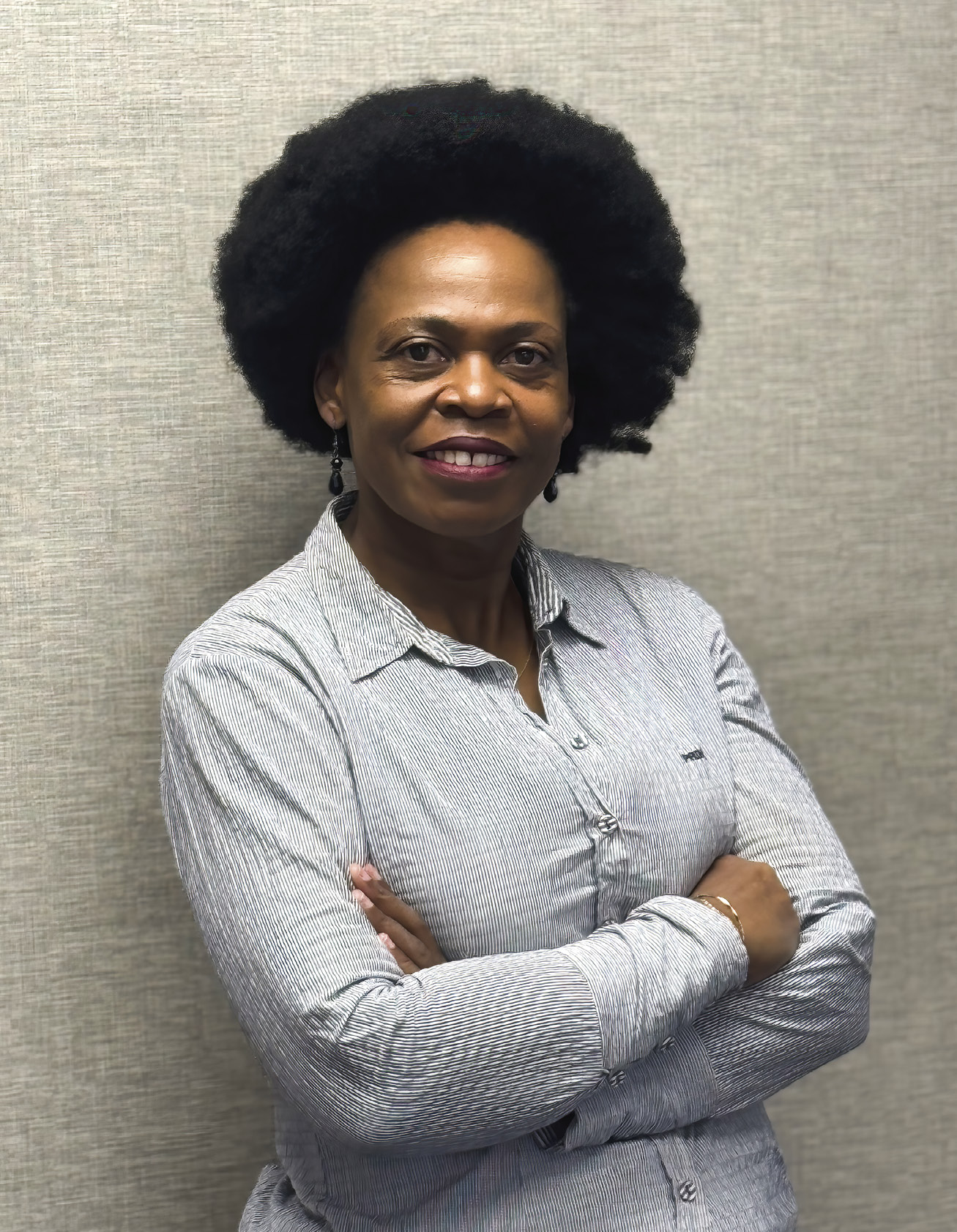
By Sibusisiwe Sibanda, Executive: Corporate Services, South African National Blood Service