

The inaugural MORAME Regional Tourism Conference brought
together around 150 delegates to explore how the West Rand
can develop a more connected, inclusive and investment-ready
tourism economy, writes Salman Khan
The MORAME Regional Tourism Organisation (RTO) hosted its inaugural regional tourism conference on 3 October 2026 at Kloofzicht Lodge & Spa in Muldersdrift, on Gauteng’s West Rand. Approximately 150 delegates attended, including government and tourism officials, industry executives, academics, entrepreneurs, community representatives and creative enterprises. The gathering focused on developing the West Rand as a more competitive tourism destination.
Held under the theme “From Extraction to Experience”, the conference explored how the region’s natural, cultural, historical and economic assets could support sustainable tourism growth, investment, employment and inclusive local economic development.
Tourism Minister Patricia de Lille delivered the keynote address and endorsed MORAME’s efforts to strengthen regional tourism coordination and destination management.
Coordinated action to unlock tourism potential
In her keynote address, De Lille emphasised the importance of strengthening domestic tourism, developing destination management capabilities and creating interconnected tourism routes that enable visitors to experience more attractions within a single journey, including opportunities for day trips linking UNESCO World Heritage attractions.
The minister outlined five priority areas for tourism development: improving accessibility to tourism attractions; expanding international air connectivity to South Africa and strengthening intra-African tourism routes; accelerating infrastructure development and investment; advancing employment and enterprise development within the tourism sector; and improving the safety and security of tourists.
Highlighting tourism’s contribution to economic growth, de Lille said the sector had generated more than 750 000 jobs in recent years and continued to offer significant employment opportunities.
De Lille congratulated the MORAME board and executive committee on their efforts to showcase the West Rand and surrounding attractions. She also announced her intention to sponsor the next MORAME tourism conference and said the 2027 event would be included in her activities calendar.
Her endorsement presents an opportunity to strengthen collaboration between national government, provincial authorities, municipalities, tourism businesses and communities.
The case for regional tourism transformation
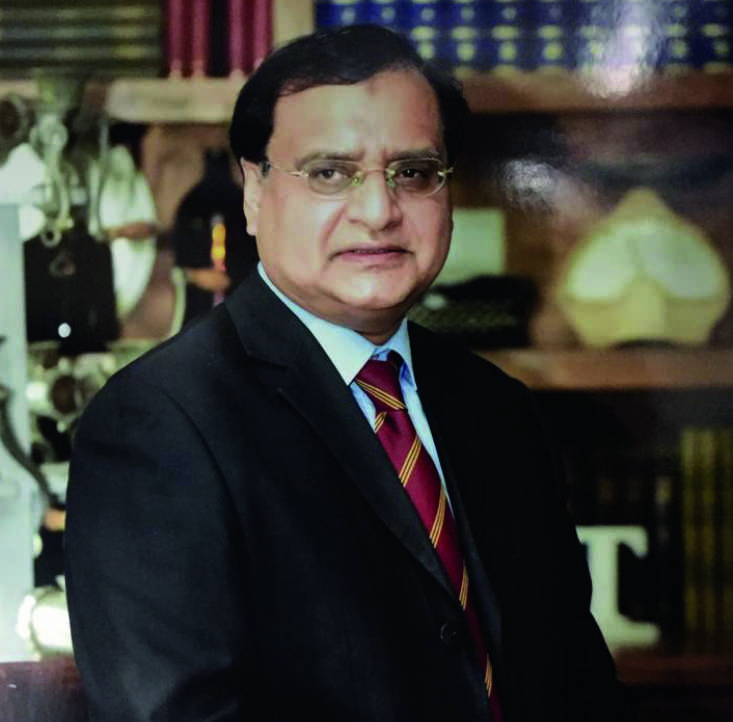
Conference chair Salman I. Khan, an academic and tourism professional, reflected on global, continental, national, provincial and regional tourism trends, highlighting the gap between Africa’s tourism potential and its share of the global market.
Drawing on figures presented at the conference, Khan cited an estimated US$11.6-trillion contribution from global travel and tourism to GDP and approximately 1.5 billion international tourist trips. He argued that Africa captures a disproportionately small share of this activity, pointing to the need for stronger destination marketing, regional integration and tourism product development.
While acknowledging South Africa’s progress as a tourism destination, Khan called for a more integrated and coordinated approach across government departments and tourism stakeholders to unlock the sector’s full economic potential.
He pointed to the West Rand’s natural landscapes, wildlife and safari experiences, cultural diversity, mining and industrial heritage, agricultural tourism, adventure activities and internationally significant heritage attractions, including the Cradle of Humankind.
“The opportunity before us is to connect the dots between our attractions, our communities, our tourism enterprises and our markets. We must move beyond isolated attractions and fragmented initiatives to develop a coherent regional destination that visitors can discover, access, experience and recommend.”
Khan further called on stakeholders throughout Gauteng and the wider region to work collaboratively rather than in institutional silos, ensuring that tourism becomes a stronger driver of enterprise development, investment and employment.
Regional collaboration and heritage preservation
Prof. Onkgopotse JJ Thabane, a MORAME board member, served as master of ceremonies, facilitating the programme and helping to bring stakeholders together for the inaugural conference.
Dr Moloi, MORAME chairperson, highlighted the importance of research into the province’s heritage in developing authentic tourism products, connecting historical narratives and establishing regional tourism routes. He emphasised the need to preserve, document and promote the West Rand’s history, heritage and indigenous cultures while creating sustainable tourism opportunities for communities.
MORAME CEO Geraldine Engelman presented the organisation’s short- and long-term plans for regional tourism development. She encouraged delegates to support its programmes and activities and invited businesses, institutions and community organisations to join MORAME through its membership categories.
Ten committees shape a regional action agenda
Ten thematic committees representing tourism interests and community expertise participated in the conference. Two panel discussions examined challenges, opportunities and practical steps to strengthen the regional tourism economy.
The thematic committees addressed gastronomy; heritage, mining and cultural tourism; accommodation and auxiliary services; wildlife, safari and conservation; biosphere and sustainability; agricultural, eco and farm tourism; astrotourism; tourism infrastructure; war heritage and dark tourism; and sports, adventure and creative tourism.
Their discussions produced a collective conference resolution setting out shared priorities for regional tourism development.
The priorities include:
• Integrated tourism routes and packages: Connecting attractions, accommodation, gastronomy, transport, events and community-based experiences into market-ready visitor journeys.
• Destination marketing and digital visibility: Strengthening regional branding, online discoverability, technology-enabled marketing and opportunities for a central booking platform.
• Inclusive enterprise development: Increasing the participation of SMMEs, township businesses, informal traders, farmers, women, youth and local creative enterprises in tourism supply chains.
• Infrastructure, accessibility and visitor safety: Advancing improvements to transport, road infrastructure, signage, mobility and destination safety.
• Distinctive tourism products: Exploring opportunities such as a regional Coffee Route, “West Rand Under the Stars”, enhanced Cradle of Humankind routes, war-heritage experiences and regional arts programming.
• Skills, sustainability and investment: Strengthening service excellence, educational partnerships, responsible tourism practices and the development of investment-ready initiatives.
The resolution calls for a shift from consultation to implementation, with thematic committees identifying practical interventions, partners, resource requirements and measurable short-, medium- and long-term outcomes.
Community participation in destination development
The conference highlighted the role of communities in building an inclusive tourism economy. Twenty exhibitors, including local artisans and community enterprises, showcased products and experiences that could contribute to the region’s tourism offering.
Local artists, singers and marimba drummers welcomed delegates, illustrating the potential contribution of creative industries to tourism development.
The programme brought together senior representatives of tourism institutions, including Gauteng Tourism Authority CEO Crezelda Venter and Tourism Grading Council of South Africa Chief Quality Assurance Officer Bronwen Auret, alongside other public-sector and tourism industry stakeholders.
Their participation highlighted the need to align regional initiatives with wider destination marketing, quality assurance, tourism development and investment objectives.
Turning resolutions into measurable outcomes
The inaugural conference established a platform for tourism collaboration across the West Rand and surrounding areas.
The organisation will work with its partners and thematic committees to consolidate the proposals into a practical regional tourism programme, encouraging stronger collaboration between government, tourism product owners, municipalities, educational institutions, community organisations and the private sector.
The aim is to build an integrated, competitive, inclusive and sustainable destination that creates opportunities for local communities and contributes to Gauteng’s tourism economy.
In closing, conference chair Salman Khan expressed his appreciation to De Lille for her attendance, encouragement and endorsement of the initiative. He also acknowledged the commitment of the MORAME Board and Executive Committee, participating institutions, panellists, delegates, exhibitors and community contributors whose collective efforts made the inaugural conference possible.
He called on all tourism stakeholders to take an active role in implementing the conference resolutions and to work together in building a destination that can compete more effectively in domestic, continental and international markets.
The work begins now
Khan called on government, state-owned entities, investors, businesses and development partners to work with MORAME to implement the conference resolutions. The organisation is seeking partnerships in tourism research, feasibility studies, product development, investment mobilisation and sustainable destination growth. Stakeholders interested in development, investment, sponsorship or collaboration are invited to engage with MORAME.
For partnership and investment enquiries, contact MORAME.
The conference’s central message was that the West Rand has the assets, talent and ambition to strengthen its position as a tourism destination. The next step is to connect attractions, build partnerships, attract investment and turn commitments into measurable economic outcomes.
Through sustained collaboration and implementation, MORAME aims to turn the region’s heritage and tourism assets into visitor experiences and lasting opportunities for local communities.
Salman Khan, Paul Harris Fellow, T.I.
Conference chair and MORAME board member
MORAME Regional Tourism Organisation