

As Knight Piésold marks 105 years of engineering excellence,
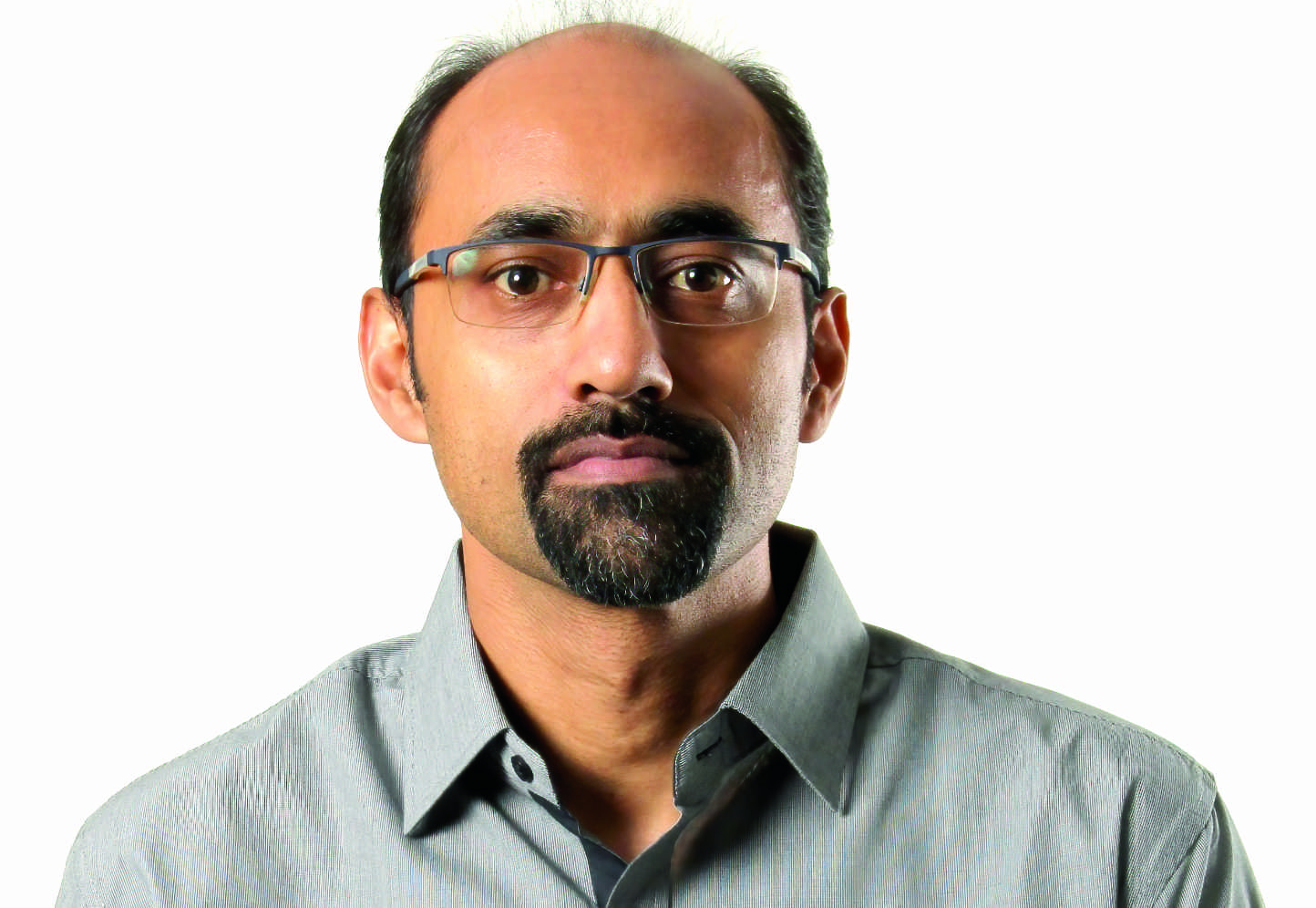
Southern Africa Managing Director Vishal Haripersad reflects on the importance of people, the role of Ubuntu in leadership and his ambition to build a business that remains strong for generations to come
For Vishal Haripersad, Managing Director of Knight Piésold Southern Africa, the success of an engineering consultancy is measured by more than the projects it delivers. Equally important are the people behind those projects and the culture that allows them to succeed.
Throughout his career at Knight Piésold, Haripersad has worked alongside talented professionals on projects with a significant impact across Africa. Those experiences have reinforced his appreciation for the organisation’s technical expertise and its responsibility towards clients, employees and the communities in which it operates.
“My focus has increasingly been on creating an environment where our people can perform at their best, while ensuring that we continue to grow as a business and maintain the standards that have defined Knight Piésold for more than a century,” he says.
As the company celebrates its 105-year history, Haripersad sees an opportunity to reflect on its achievements while considering what African Excellence should mean for the next generation.
People behind the projects
Knight Piésold has continued to strengthen its presence across Southern Africa, delivering complex projects in mining, water, infrastructure and power.
While project successes and industry recognition are important milestones, Haripersad regards the development of employees, particularly young professionals and emerging leaders, as among the most rewarding aspects of his tenure.
“There have been many, but seeing our people grow and succeed has been particularly rewarding,” he says. “Our project successes and industry recognition are important, but ultimately they are a reflection of the people behind those achievements.”
That emphasis on people has also influenced how he approaches the challenges of running a business in a changing economic environment.
Market conditions, economic pressures, skills development, transformation and evolving client requirements have all presented challenges. Haripersad believes addressing them requires more than decisions taken by senior management.
Instead, organisations must encourage employees to raise concerns, question established thinking and participate in finding solutions.
“For me, that comes back to Ubuntu – recognising that we achieve more when we work together. It is about creating accountability, but also creating trust.”
Leadership through trust
One of Haripersad’s most important lessons has been that effective leadership begins with recognising the value of individuals.
“People want to know that they are valued, that their contribution matters and that they have the opportunity to become the best version of themselves.”
He believes employees should have the freedom to contribute their own ideas and perspectives without feeling pressured to conform to a particular leadership style.
“You should not have to change who you are to succeed in an organisation,” he says.
However, that freedom must be accompanied by clear expectations around performance, accountability and professionalism.
For Haripersad, developing a supportive working environment and maintaining high standards are not competing objectives.
“A strong culture and high performance should go hand in hand.”
Listening is another essential part of his approach. He believes leaders should surround themselves with capable professionals, recognise the limits of their own knowledge and allow others the opportunity to contribute.
This approach also requires leaders to consider the wider consequences of their decisions, rather than focusing exclusively on immediate business challenges.
Those decisions affect employees, clients and the long-term prospects of the organisation. Balancing these responsibilities is central to building a business that can sustain its performance.
Developing future leaders
Haripersad’s approach to mentorship is based on encouraging independence rather than producing a new generation of leaders who simply replicate his methods.
“I don’t believe leadership is about creating people who think exactly like you. It is about creating leaders who are confident enough to think for themselves.”
He aims to share his experience while remaining open to challenges and alternative perspectives from colleagues.
Young professionals, he believes, need opportunities to take ownership of their work, make decisions and learn through practical experience. This is particularly important in an industry where technical expertise must be developed alongside leadership capability.
He is also passionate about creating greater opportunities for women to advance into leadership positions.
For Haripersad, however, meaningful transformation requires organisations to identify capable individuals, invest in their development and provide genuine opportunities for advancement.
“I am particularly passionate about seeing more women progress into leadership positions – not because they are women, but because they are capable leaders.”
He cautions against treating representation as a numerical exercise without providing the support and responsibility needed for people to succeed.
“Representation must be meaningful; we should never appoint people simply to fill a quota.”
The objective, he explains, should be to build a stronger organisation by recognising talent and creating an environment in which individuals can develop their capabilities.
Looking towards 2027
As Knight Piésold Southern Africa looks towards 2027, Haripersad wants the business to consolidate its position across its key sectors while continuing to invest in technical excellence, innovation and client relationships.
Developing the next generation of engineering and technical leaders will remain an important priority.
He also wants the organisation’s culture to reflect its Southern African identity, combining diversity and collaboration with a commitment to high performance.
“African Excellence is not simply about where we operate. It is about the standard we set for ourselves and the impact we make through our work.”
For Haripersad, the concept extends beyond technical achievement. It encompasses how the business operates, how employees treat one another and the responsibilities they carry towards clients and communities.
Maintaining that culture while responding to changing market demands will be central to the organisation’s continued development.
A legacy for the next generation
Haripersad is clear that his personal legacy should not be measured solely by business growth or individual achievements.
Instead, he hopes to be judged by the opportunities created for those who follow him and the strength of the organisation they inherit.
“I would like my legacy to be measured by the people who come after me.”
Knight Piésold’s long history is an important part of that responsibility. Haripersad believes each generation of leaders has an obligation to protect what has been built while preparing the business for the future.
“Knight Piésold has a 105-year history, and none of us owns that legacy – we are custodians of it.”
His ambition is to leave behind an organisation where employees are encouraged to develop, take accountability and become better leaders.
Ultimately, he hopes his contribution will be reflected in a working culture where the principles that guide the business are evident in everyday decisions.
“I would like to be remembered for helping build a culture where Ubuntu and African Excellence are not just words, but are reflected in how we lead, how we work and how we treat people.”