

Take a moment to honour the women whose achievements are
visible in the people standing beside them, writes Zodwa Velleman
Each Women’s Day, as they should, speeches, news articles, and editorials celebrate successful South African women.
These are, after all, women who inspire because of their achievements, often despite the societal, economic, and other odds stacked against them.
But on the Sunday before Women’s Day at St George’s Cathedral, Reverend Annie Kirke preached a sermon that gave me a different perspective on Women’s Day.
She urged the congregation to think not only about those women who society considers to have excelled, but also the women who aren’t constantly getting the acclaim on social media posts or grand events–no we need to look at the ordinary working women who make a positive impact to better not only their lives, but also the lives of others.
We should celebrate and elevate those who hold down jobs so they can feed their families, make sure their children attend school, do their homework, and, so, have the opportunity to progress.
And, importantly, who support others, who don’t give up, and those who, when faced with the seemingly impossible, have the strength to reach out.
As Reverend Kirke put it: “It’s about encouraging one another to try, to not be afraid to call for help when confidence ebbs, and celebrating with others when the outcomes take time to arrive.”
Most of the 20 000 women who famously and bravely marched on the Union Buildings 70 years ago weren’t politicians, professionals, celebrities or successful business people.
They were working-class women. Domestic workers, factory workers, farm workers, street vendors, homemakers, trade unionists, and ordinary women standing against injustice.
Of course, they included people who would become household names.
Lilian Ngoyi, Albertina Sisulu, Helen Joseph, Rahima Moosa, Sophia William, and Charlotte Maxeke are now known, in part, because of what they did that day.
Their outcomes certainly took time to arrive, but their resolve and unity, and that of their fellow marchers, despite the odds, made history.
What these ordinary women did and the courage it took should not be underestimated, given the apartheid government’s treatment to those who opposed them at the time.
While these women serve as the inspiration for Women’s Day, recognition should also go to those whose courage and determination are less public but as important to those positively impacted by their actions and, I would argue, this country.
One such woman is my mother. She was a general worker at Johannesburg Hospital, now, appropriately, Charlotte Maxeke.
She is an 84-year-old mother of eight. When my parents divorced after my first year of high school, the eldest was two years ahead of me, and the youngest had yet to start school.
I think it’s fair to say that, on paper, the odds were stacked against us.
Yet today, seven of us are graduates, in some cases multiple graduates across various disciplines. By any objective measure, seven graduates is not a bad legacy.
We succeeded, thanks to a single parent who believed and never gave up.
My mother is one of many other examples of women who quietly get on with what needs to be done, despite poverty, unemployment, gender-based violence, discrimination, and a myriad of other headwinds that test them daily.
There is nothing extraordinary about a mother wanting her children to have a better life.
However, putting that want into action daily without giving it a second thought is something that should be honoured and recognised.
Millions of women do that every day. They get up before dawn, travel long distances to work, stretch their wages to cover food and clothing, care for children and elderly relatives, and keep going, despite there being little reason for optimism.
On the West Coast, there are groups of women from the local communities where Oceana’s factories are situated.
They volunteer to work in the kitchens we provide to serve the school feeding programmes.
They do this for no more than accredited training in kitchen hygiene, preparing menus and meals, and helping their communities.
Each year they provide 285 000 cooked meals to 750 learners, many of whom rely on school meals.
The achievements of these and other ordinary women rarely make headlines. There are no awards for a domestic worker whose child became the first in the family to attend university, a woman who runs a tuckshop to earn a living or a grandmother who takes responsibility for raising her grandchildren.
Yet these are achievements.
The women who marched to the Union Buildings in 1956 could not have known that 70 years later their protest would be remembered as one of the defining acts of resistance to apartheid. They marched anyway.
The women who sacrifice for their families, help their communities or extend a helping hand to other women don’t seek recognition or rewards. They do it anyway.
Perhaps that is one of the lessons we can take from 1956 and from Reverend Kirke’s sermon.
Women’s Day is not just about celebrating those who have made it to the top. It should also be about considering the countless women whose worth is measured in the positive impact they have made.
For the rest of Women’s Month and beyond, that’s something worth thinking about. Take a moment to honour the women whose achievements are visible in the people standing beside them–the children they educated, the families they sustained, the colleagues they helped, and the communities they served.
By doing so, you will encourage them to continue contributing and, I hope, inspire other women.
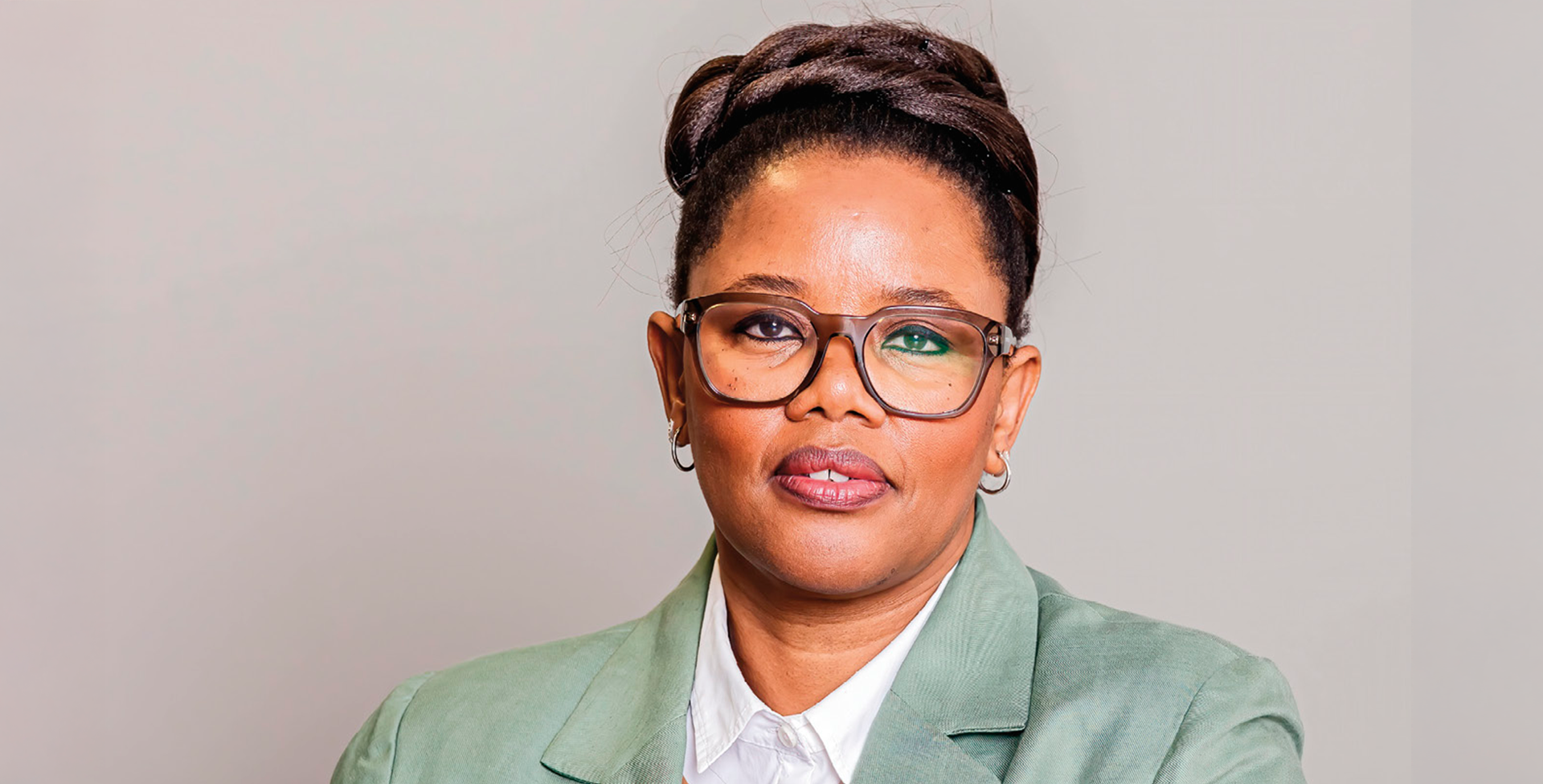
Zodwa Velleman is the Group Executive: Regulatory & Corporate Affairs at Oceana Group Limited.
We should celebrate and elevate those who hold down jobs so they can feed their families, make sure their children attend school, do their homework, and, so, have the opportunity to progress