










































































A national icon celebrates 80 years of touching lives through innovation
For any organisation to have a lasting impact over eight decades is significant. To flourish despite changes brought about by evolving technologies, societies as well as natural and political landscapes, takes some doing.
This year, the CSIR celebrates its 80th anniversary, having been established by Parliament as South Africa’s first multidisciplinary science council in 1945. The organisation is extremely proud of this feat. It is grateful to the many leaders and employees who lived their passion for making a difference, to the policymakers who believed in the potential of science, technology and innovation to accelerate socioeconomic prosperity and to the partners and stakeholders who share the organisation’s vision.
Looking back: The CSIR did that!
Created new industries
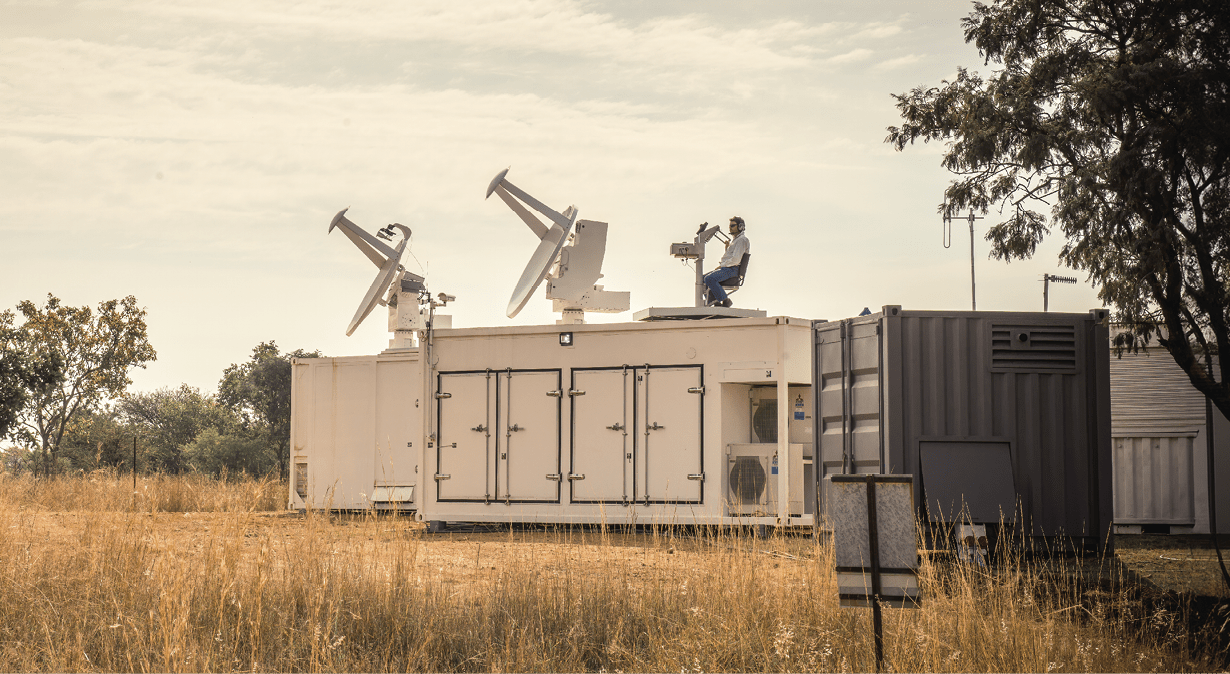
Radar technology is undeniably critical in today’s world. It is used in air traffic control, maritime navigation, weather observation, early warning and, in military contexts, intelligence collection, wide-area surveillance and self-protection. Back in 1939, the CSIR’s founding President, Sir Basil Schonland, led the team that received the first radar echo in South Africa. After the war, in 1946, he established the Telecommunications Research Laboratory at the CSIR, where a small group of brilliant minds set out to establish a local knowledge base. This venture became one of the foundations of the electronics industry in South Africa, including the radar and electronic warfare industries. In addition to supporting the South African National Defence Force with a slew of radar innovations, today, many other local and international clients collaborate with the CSIR to develop cutting-edge radar innovations.
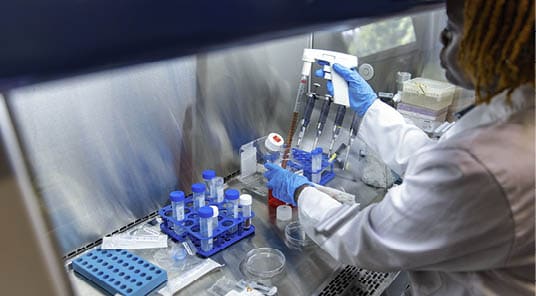
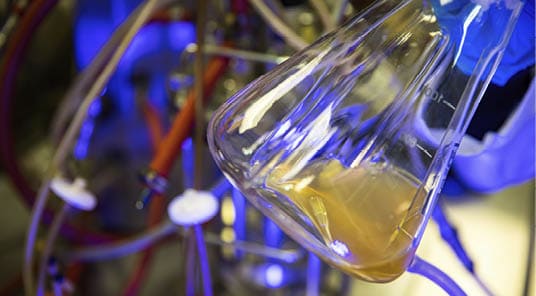
Eight decades after World War II, which highlighted the importance of home-grown science, another worldwide phenomenon in the form of a health pandemic reignited this awareness. This time, the CSIR also played a role in establishing local skills and capabilities. At the onset of the pandemic in early 2020, South Africa relied on imported diagnostic kits and instruments. However, as the country continued to experience the devastating effects of increasingly infectious variants of the virus, the need for affordable and readily available rapid testing —independent of international supply chains—became critically important. In response to this demand, the CSIR and CapeBio developed and demonstrated the efficiency of a biomanufacturing process that produces two enzymes for combination into a one-step Covid-19 diagnostic assay. The research team could capitalise on the CSIR’s existing know-how and previously commercialised enzyme biomanufacturing technologies. The resulting kit and reagents to test for Covid-19 were developed in under a year as a first in South Africa. Since then, the CSIR has taken up a key role in nurturing African biomanufacturing skills and capabilities to establish a vibrant, competitive industry.
Established world-class national science and technology infrastructure
New knowledge generation and world-class innovations depend on modern and appropriate facilities and scientific infrastructure. The CSIR has remained acutely aware of this link, and despite funding challenges dotted along its 80-year journey, it now houses some of South Africa’s most advanced facilities dedicated to supporting the South African industry in its quest to become more competitive.
These include a biorefinery facility that helps the forestry and other biomass industries to turn waste into value-added products; a proteomics facility to help scientists develop cancer and HIV therapeutics; and nanotechnology facilities that enable researchers to manipulate and manufacture materials at the nanoscale to make products that are stronger, more heat resistant and less flammable. CSIR facilities enable the manufacturing of larger 3D-printed parts than anywhere else in the country, test solar photovoltaic modules under real-world South African climatic conditions and process massive datasets in an instant with the fastest supercomputers in the country. All new cutting-edge facilities that make the seemingly impossible possible.
In the mix are also laboratories that, despite having served the industry for decades, have remained invaluable. The rope testing laboratory, where the steel wire ropes that hoist people and material up and down hundreds of mine shafts in South Africa, tests some 2 200 specimens per year and has been operated by the CSIR since 1970, undergoing several equipment upgrades over the years. The CSIR’s suite of wind tunnels, where the flow of air encountered by an aircraft during flight is simulated, has four main tunnels covering a speed range from very low subsonic speeds up to 4.3 times the speed of sound in the supersonic facility. The design of flight vehicles requires significant industrial investment and poses a huge burden on the developer to get things right the first time. CSIR wind tunnels are ideal to study and determine performance predictions early in the design phase. The organisation has also been modelling new ports for local and international harbour developments since 1969.
Achieved world and South African firsts
The collective brainpower of brilliant individuals has, over the years, resulted in several world firsts for the CSIR. Early on, in 1954, Dr Trevor Lloyd Wadley invented the first microwave electronic distance measurement equipment, the tellurometer, which revolutionised land surveying globally. In 1956, a company named Tellurometer Ltd. was established in Cape Town to exploit the invention, and the first production model appeared in 1957.
In the same year, the CSIR’s satellite tracking station earned international acclaim for being the first to track and correctly predict the re-entry of Sputnik-1, the world’s first artificial satellite.
In the early 1980s, the CSIR invested in biomaterials research, specifically composite materials, for high-duty applications. This opened up a new field of research into carbon-fibre-reinforced composites for surgical implants and resulted in the bollard, which formed part of a ligament repair kit that was marketed worldwide. Invented by researchers Peter Mundell, Dr Michael Hunt and Dr Angus Strover in 1982, the bollard was an implantable expanding rivet used to attach artificial ligaments to bone in ligament repair operations. It became the first carbon-fibre-reinforced composite implant approved by the US Food and Drug Administration for human surgery.
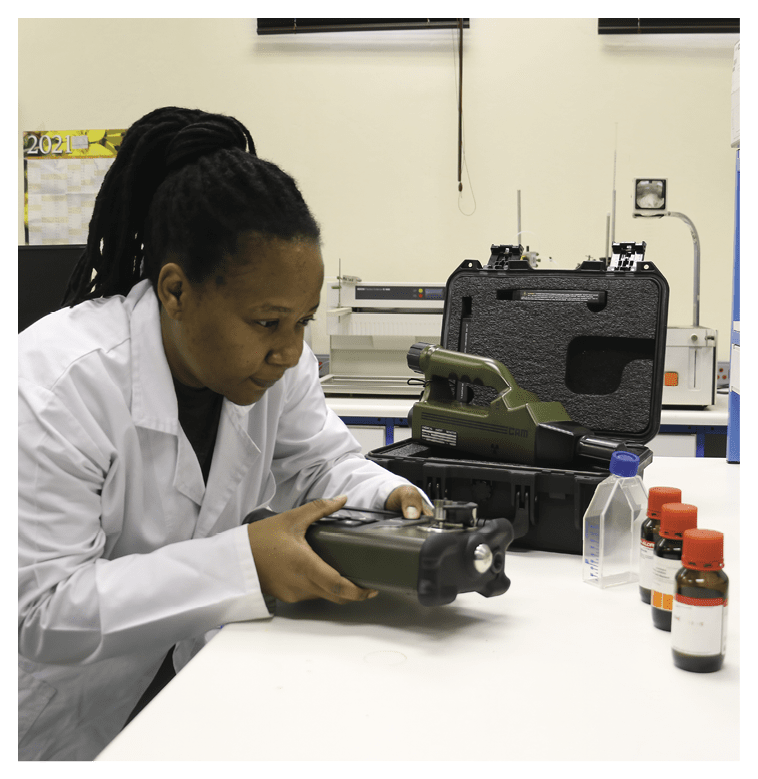
In 2020, the CSIR was also the first to radiometrically quantify the ultraviolet light emitted from pylons using a new powerline inspection system to detect defective high-voltage electrical installations. The CSIR licensed the technology to UViRCO Technologies, which continues to be a prominent player in this sector.
South African firsts, too, have been impactful. The CSIR developed the first text-to-speech product that can deliver synthetic voices in 11 of South Africa’s official languages and developed models to accurately predict the results of an election with only 5% of the voting stations counted.
Improved the competitiveness of local companies
The scope of the support rendered to South African companies has been vast, resulting in diverse products, such as a laser system for sorting diamonds, an insect repellent based on a citrus oil blend; biodegradable tree-planting containers; probiotics with a prolonged shelf life; a vegan protein powder based on a fungus and produced in a bioreactor; an armoured vehicle to foil cash-in-transit heists, and many more. Researchers helped test the first local commercial metal 3D printer; the transparent wing of a new turbine for its South African inventor and a new South African-designed concrete armour to protect our coast against rough seas.
In line with national imperatives, the CSIR supports microenterprises and other small to medium-sized businesses, focusing both on growing new enterprises and the competitiveness of existing ones. In the 2023/24 financial year, the CSIR supported approximately 179 small, medium and micro enterprises (SMMEs), with 69% of these being at least 50% black owned, 20% with youth ownership of more than 50% and 30% at least 50% women owned. The CSIR also provided access to its niche technology base through several licence agreements. Of the licence agreements concluded in the last year, 62% were issued to 100% black-owned companies and 15% to women-owned companies.
In some cases, CSIR support and joint development take the form of access to specialised technical infrastructure and expertise across multiple domains, ranging from biomanufacturing to aerospace, and in others, the organisation offers support for regulatory compliance. It has assisted SMMEs in implementing alternative energy solutions to aid their sustainability and has supported others’ involvement in the local manufacturing of components.
The CSIR also partners with SMMEs to develop novel systems and products, commercialise innovations and inventions and access new markets. The CSIR has, in the past five years, supported close to 600 SMMEs in various sectors. For example, to date, we have supported 23 SMMEs in the development of high-quality, regulatory-compliant, safe, efficacious and affordable cannabis products for local and international markets. This followed the development of a National Cannabis Master Plan that highlighted the potential of the cannabis sector for the development of SMMEs, attracting domestic and foreign investment and adding value in the processing and manufacturing of products for local and export markets.
Contributed to a capable state
The CSIR’s contribution to government is evident in the many policies that are in place and have been adopted based on the organisation’s research findings and recommendations.
It supports its major stakeholder, the Ministry of Science, Technology and Innovation, alongside other Ministries tasked with health; defence; energy; agriculture; environmental affairs; trade, industry and competition, as well as transport. The CSIR’s work, through these partnerships, contributes to the objectives of the National Development Plan.
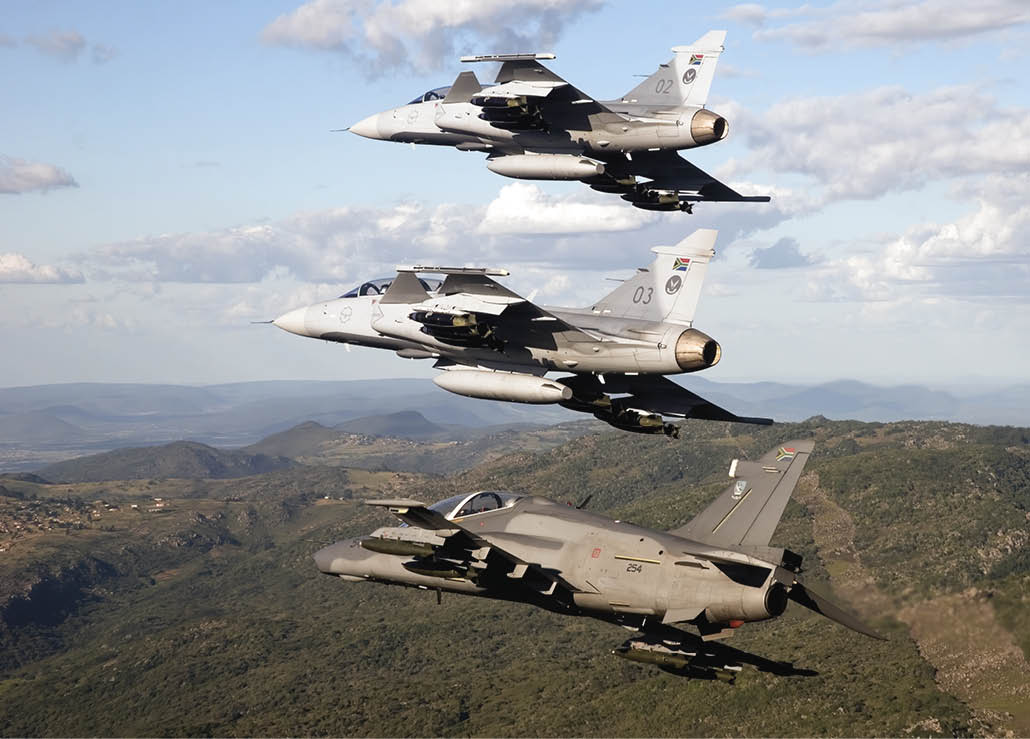
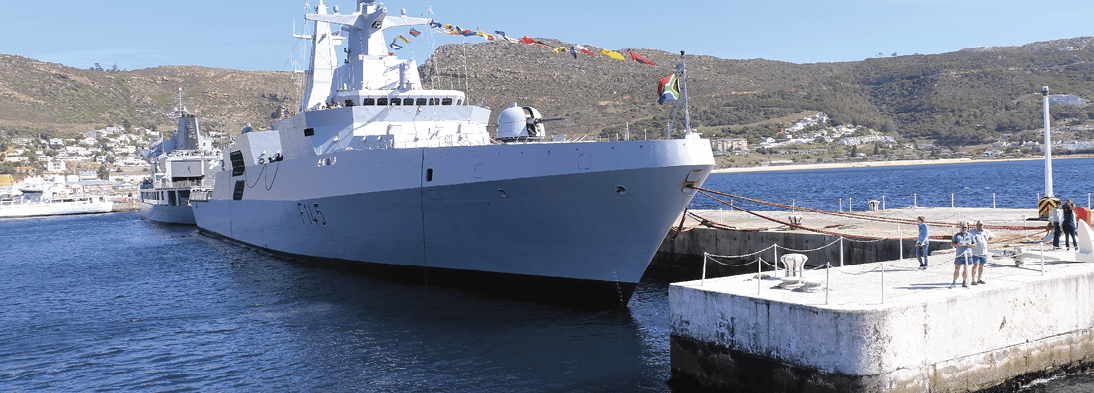
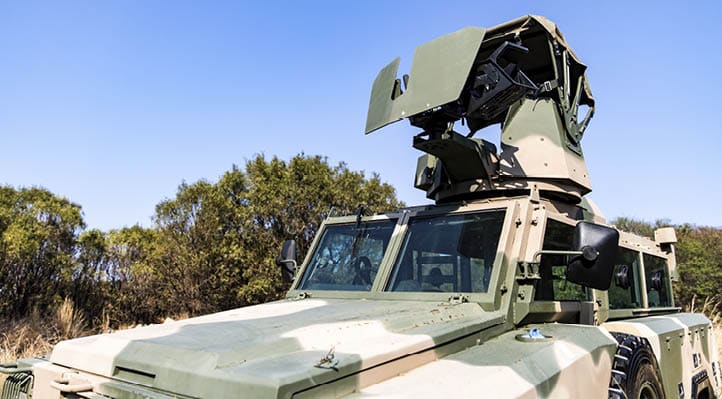
The organisation has provided invaluable impartial technical advice to the Department of Defence for many years, assisting with the modification of personnel carriers, the development of new uniforms, local radar solutions for frigates acquired by the South African Navy, as well as ground-based air defence radar systems.
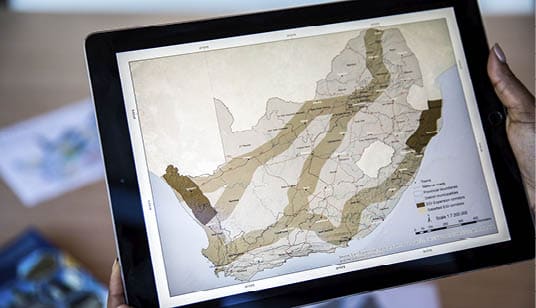
CSIR environmental experts have advised on which geographic areas are best suited for wind and solar photovoltaic energy projects, developed a waste tyre management plan and mapped the vulnerability of the entire South African coast to assist decision makers in the face of climate change. They have also contributed to the country’s National Biodiversity Assessments in partnership with the South African National Biodiversity Institute. These assessments detail the key pressures, such as habitat loss, flow modification, pollution, climate change, and ecological condition, as well as headline indicators on the threat status and protection level of the country’s ecosystems and species to inform policy and societal behavioural change.
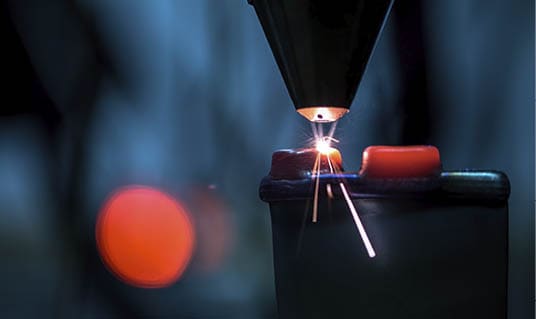
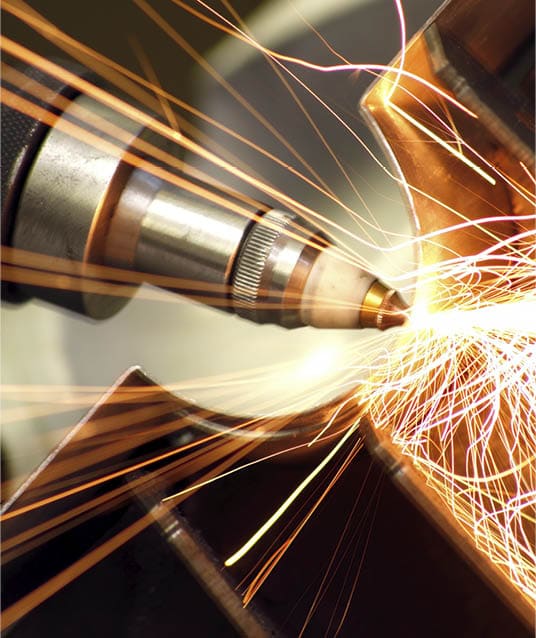
In the energy sector, the CSIR drew on its skills in laser technology to repair the turbine rotors used by Eskom to generate power, thereby contributing to reduced downtime with its knock-on effects for the country.
Positive impact on society
The CSIR’s multidisciplinary capability base contributes to the fact that its impact can be felt in a multitude of sectors of society.
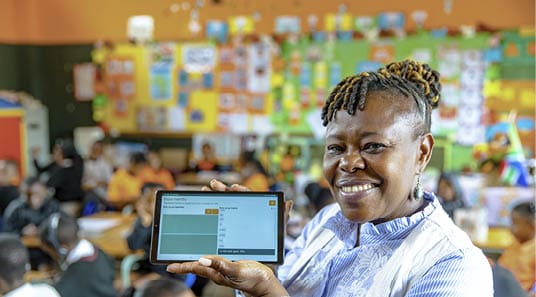
In the education sector, researchers in speech and text technology have put their specialised skills to work to enhance home language literacy. They have integrated speech and text technologies into an Android application that provides learners with a dynamic digital learning environment in their home language and English. The app was piloted with isiZulu-speaking grade 3 learners in Soweto and with Sepedi-speaking grade 3 learners in Mamelodi during 2023 and 2024.
In the health sector, the organisation is collaborating with the University of Pretoria to bring about personalised cancer medicines for African patients. Researchers are screening cancer tissue samples to find existing drugs that could be repurposed as effective chemotherapies for people of African descent. They are building a database of tumour samples donated by consenting patients at Steve Biko Academic Hospital so that future patients in Africa may access personalised cancer medicines.
The impact of CSIR’s work is also felt in critical fields such as water resource management, where the organisation is enabling the municipality of De Aar in the Northern Cape to manage aquifer recharge (refilling from rainfall) to facilitate better decisions on groundwater usage, monitoring and management. Municipal managers can now use the aquifer maps generated by the research to schedule and switch borehole pumping in a way that will not deplete aquifers during, for instance, the dry season. It follows two years during which local farmers and municipal officials worked with a team from the CSIR, the University of the Western Cape and the Northern Cape branch of the Department of Water and Sanitation to map aquifer systems below the surface in the area. They pinpointed the location, extent and thickness of groundwater channels and measured the quality of groundwater in terms of acidity, flow, temperature and potential harmful contaminants.
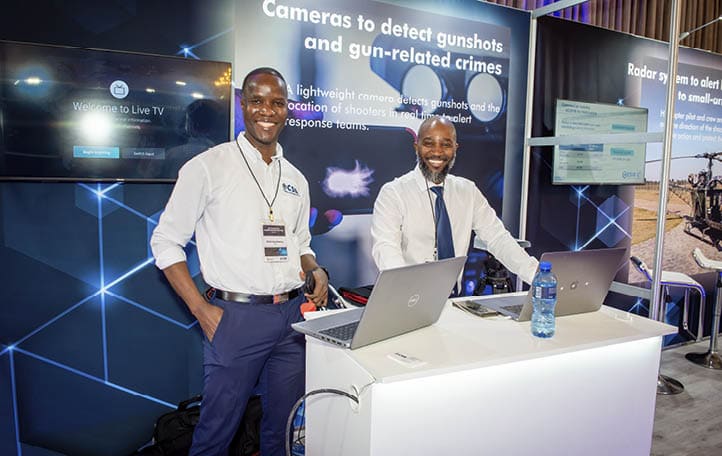
The CSIR acted as a technology partner in the fight against wildlife crime, specifically to counter rhino poaching. South Africa stands as the last stronghold for rhinos on the African continent. Despite a public outcry, public funding and fortified reserve defences to save the rhino, poaching syndicates were getting the upper hand. In 2013, the CSIR first partnered with South African National Parks to evaluate, test and develop anti-poaching technologies, including those for advanced shared situational awareness. At that stage, the Kruger National Park, home to the largest rhino concentration in the country, had been victim to an escalation in rhino poaching. By 2020, CSIR technology had detected more than 95% of the poachers who entered the deployment area, contributed to the successful arrest of at least 65% of all detected poaching groups and effectively prevented an additional 10% of detected poachers from shooting rhinos – a total disruption of approximately 80% of all detected poaching activity. As a result of these successes, poaching attempts in the area of operation were greatly reduced. In addition to reducing rhino poaching by nearly 80%, the presence of meerkats has deterred poachers and stabilised areas with high rhino poaching densities.
Helped create the next generation of scientists
The CSIR’s human capital strategy focuses on strengthening and building a strong pipeline in science, engineering and technology through continuous initiatives such as bursaries, internships, studentships and graduate-in-training programmes.
For example, to nurture the next generation of ocean scientists to help tackle climate change, the organisation has, in the last 13 years, trained over 80 ocean scientists on the use of ocean robotics, high-resolution modelling and machine learning data products. In the same vein, to cultivate skilled cybersecurity professionals capable of proactively safeguarding organisations against ever-evolving cyber threats, the CSIR partnered with The Cyber Excellence Academy in 2023, resulting in the first cohort of graduates a year later.
The CSIR has run similar initiatives to produce the next generation of biotechnologists and supercomputing specialists.
The CSIR’s dedication to planning for future skills resulted in a close collaboration with the country’s Sector Education Training Authority. In 2021, the CSIR engaged the then Department of Science and Innovation (now known as the Department of Science, Technology and Innovation), the Department of Higher Education and Training, the National Skills Fund and several Sector Education Training Authorities on fourth industrial revolution (4IR) skills development and innovation.
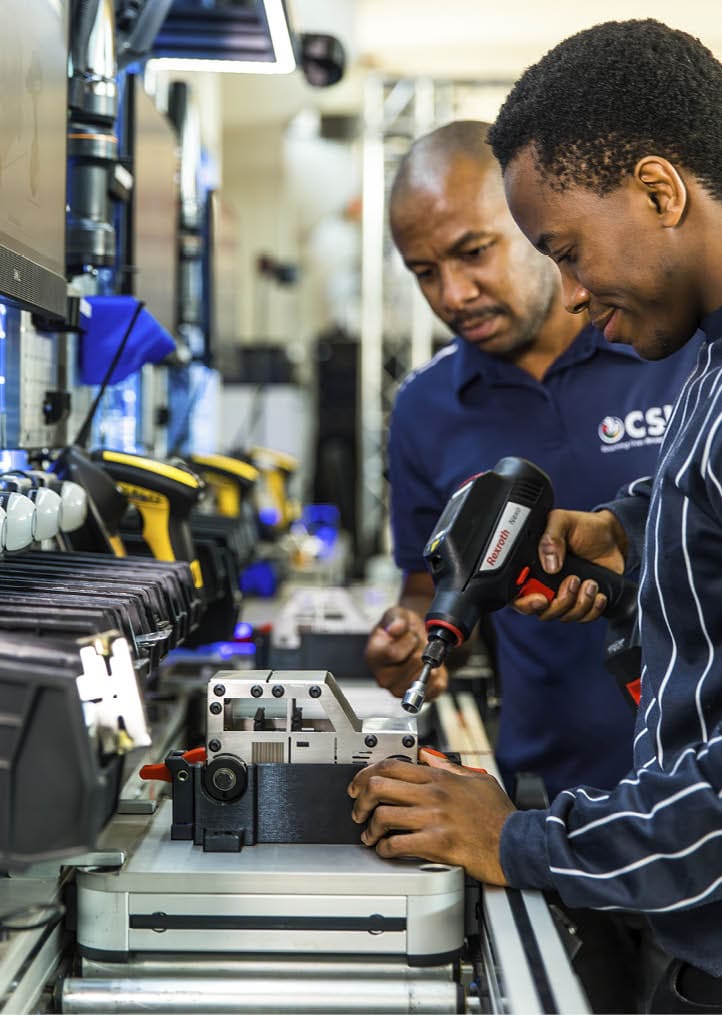
One of the programmes presented was the CSIR Learning Factory. A learning factory emulates a real-world working environment to deliver future-oriented education and training while nurturing innovation. Leveraging transformative technologies underpinned by 4IR, the CSIR Learning Factory provides diverse skill development opportunities across industries.
Looking ahead: Contributing to the country’s future wellbeing
The exciting part of turning 80 – perhaps even more than reflecting on the past – is celebrating how well the organisation is positioned to harness the collective brilliance of its people to work for the country’s future wellbeing.
Meet the man at the helm
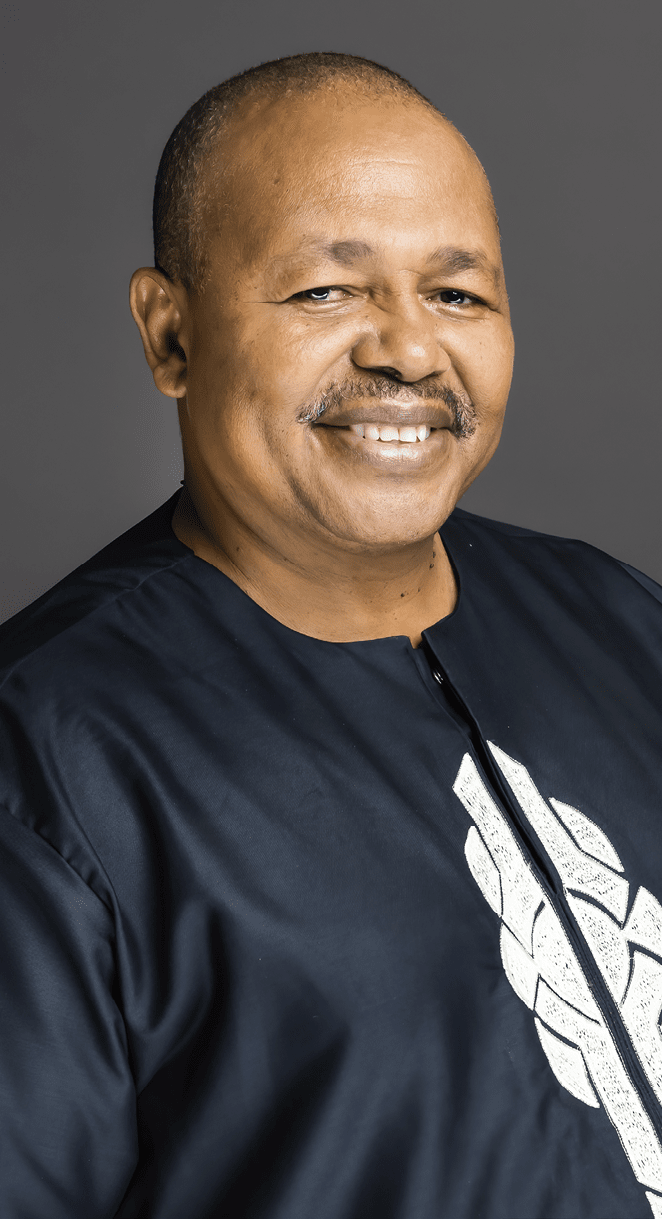
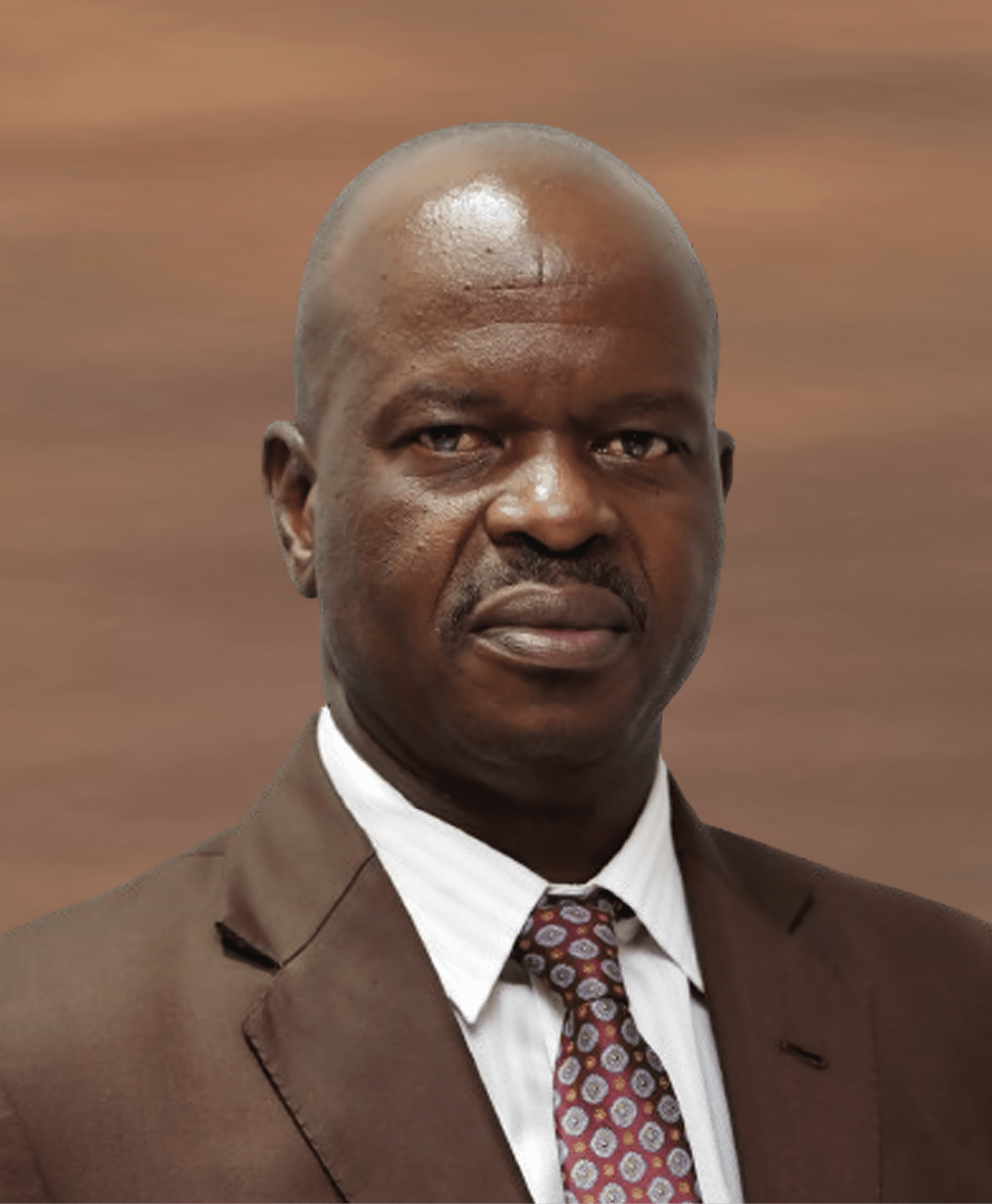
The man leading the charge to apply science and technology for the benefit of the country is Dr Thulani Dlamini, who took up the reins as the CSIR Chief Executive Officer in 2017. In the lead-up to this achievement, he spent nearly the same number of years at Sasol and the CSIR. He considers both of these brands as thoroughbred South African icons and says that he feels a sense of loyalty to both.
A trained scientist; he started his career at Sasol as a scientist and progressed through the ranks to chief scientist in heterogeneous catalysis and materials characterisation research. Before becoming CEO in 2017, Dlamini headed the CSIR National Laser Centre. He became the CSIR’s Group Executive for Research and Development, only to be lured back to Sasol, where he ultimately became Vice-President: Strategic Research and Technology in 2014. The CSIR had the final say in the duel when he became the CSIR Chief Executive Officer in 2017.
His solid scientific background stands him in good stead at a multidisciplinary research and technology organisation like the CSIR, which engages in a wide range of areas, including advanced chemistry and life sciences, manufacturing, defence, energy, water, transport, mining, information and communications technology, and the environment.
“I have learnt a great deal about all of these fields but could never be an expert in all of them. For that, we have chief and principal scientists,” he quips. Dlamini says that while science and technology, as well as their associated breakthroughs, never fail to excite him, it is the impact potential that really gets him going. “If we harness our multidisciplinary capabilities and maximise the application of our collective intellectual capacity, we really have a chance of changing the fortunes of the people of South Africa.”
It is clear that Dlamini is acutely aware of the social and economic challenges of South Africa and how they affect all South Africans. “In many respects, I represent rural South Africa. I come from humble beginnings, having grown up in a small village in KwaZulu-Natal. The first time I came into contact with science was in grade 11 when I went to boarding school in Mariannhill. I understand the struggle context and how an educational lifeline, such as a bursary, can change someone’s life and future prospects.”
As CSIR turns 80, Dlamini articulates his view of leading the organisation and states, “While the CSIR’s objectives have always centred on making an impact through scientific research, through the sacrifices of many, the South African societal context has changed for the better, and for that we are grateful. To use multidisciplinary research and technological innovation to help improve the quality of life of the people of South Africa at a time that the world is going through major technological advances brought about by the 4IR is a privilege.”
The focus at eighty
Some two years after he started his tenure as CEO, in 2019, Dlamini introduced the current CSIR strategy after a rigorous organisation-wide strategic planning process. The strategy focuses on amplifying the “I” in CSIR – using research, development and innovation to support re-industrialisation while ensuring continued support for the development of a capable state.
“We had to acknowledge some stark realities, such as the declining growth in some of the country’s traditionally strong industries. It was clear that the CSIR was coming up short in its support of industrial development. While we wanted to continue to support the development of a capable state – serving the needs and requirements of the public sector – we needed to pay attention to how we support industrial development if we wanted to achieve the intentions of our mandate,” he explains. The strategy focuses on growth, sustainability, impact and relevance.
In the last five years, the CSIR has achieved significant milestones, producing more than 2 000 publications, developing nearly 300 new technology demonstrators and concluding more than 40 licence agreements with industry partners. In addition, the organisation has localised 72 technologies and supported close to 600 SMMEs and more than 500 projects, demonstrating its commitment to enabling reindustrialisation and the creation of a capable state.
The circular economy: An opportunity for sustainable development
Resources are at the heart of every economy. As such, sustainable resource management and the transition to a more circular economy have become essential rather than optional for meeting economic, social and environmental imperatives for every country, according to Dlamini.
He adds, “Science, technology and innovation are critical to supporting a country’s transition to a more sustainable, efficient and sufficient circular economy. The circular economy calls for disruption, innovation and system change, and it has a strong role in national systems of innovation. The CSIR is particularly well positioned to explore the opportunities for South Africa to transition to a circular economy by leveraging science, technology and innovation.”
The CSIR has undertaken numerous projects that align with the principles of a circular economy – such as eliminating waste and pollution, keeping products and materials in use, and regenerating natural systems.
These principles are all key contributors to achieving the Sustainable Development Goals adopted by all the United Nations members in 2015.
The CSIR’s commitment in this regard was evident when, in 2023, the United Nations Environment Programme named the CSIR a 2023 Champion of the Earth in the Science and Innovation category. The annual Champions of the Earth award is the UN’s highest environmental honour. The Science and Innovation category recognises individuals or organisations whose groundbreaking work pushes the boundaries of human knowledge and technology while making positive impacts on the environment and the many projects undertaken in support of the SDGs will be on display when the CSIR co-hosts the 8th G-STIC Conference in Pretoria in October 2025.
The Global Sustainable Technology and Innovation Community (G-STIC) drives the acceleration of technological solutions for the SDGs by connecting innovators, entrepreneurs, researchers, industry leaders and policymakers worldwide.
Commercialising CSIR technologies
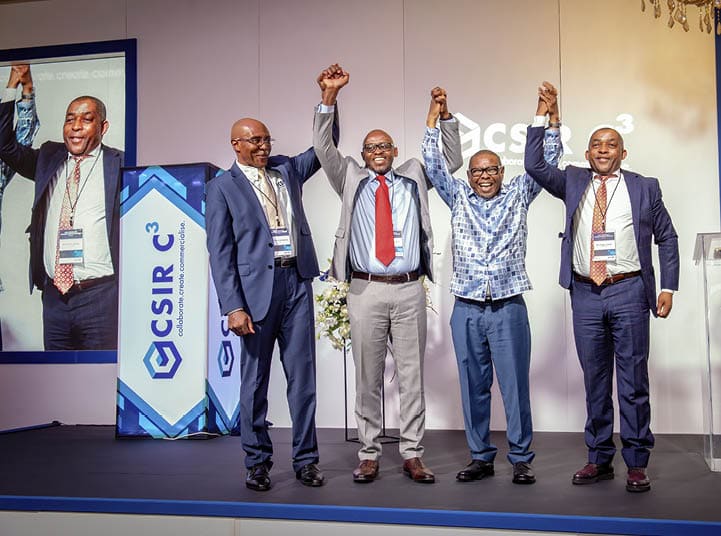
Towards the end of 2023, the CSIR launched a commercialisation enterprise named CSIR C3 (pronounced CSIR C-Cubed) to accelerate the pace and increase the scale of the commercialisation of its technologies and intellectual property.
“The decision to establish a standalone special-purpose technology commercialisation company was driven by the necessity to work with industry and to accelerate the commercialisation of the intellectual property that the organisation generates. The initiative is part of our strategy to collaborate with partners to create innovation-based companies to support the reindustrialisation of our economy,” says Dlamini.
CSIR C3 is driven by specialists in business creation to nurture enterprises, build partnerships with current enterprises and stimulate investment to complement the technical capabilities of the CSIR.
EPIC individuals in pursuit of improved socioeconomic prosperity
“We are privileged to have epic colleagues who continue to embody and live up to the CSIR’s values of excellence, people-centredness, integrity and collaboration. South Africa is privileged to have patriotic and committed citizens who pursue a shared vision of accelerating socioeconomic prosperity for our country,” he concludes.
80 and beyond
As the CSIR celebrates 80 years of groundbreaking innovation, it remains firm in its commitment to shaping South Africa’s future through science, technology and innovation. With a bold vision for the next 80 years, the organisation will continue to drive research excellence, support industrial growth, and develop cutting-edge solutions that address national and global challenges. By investing in talent, deepening collaborations and advancing transformative technologies, the CSIR not only reflects on its legacy but also builds an even more impactful future—one where innovation continues to touch lives, empower industries and propel South Africa to the forefront of global scientific and technological advancements.
The CSIR in an entity of the Ministry of Science, Technology and Innovation.