

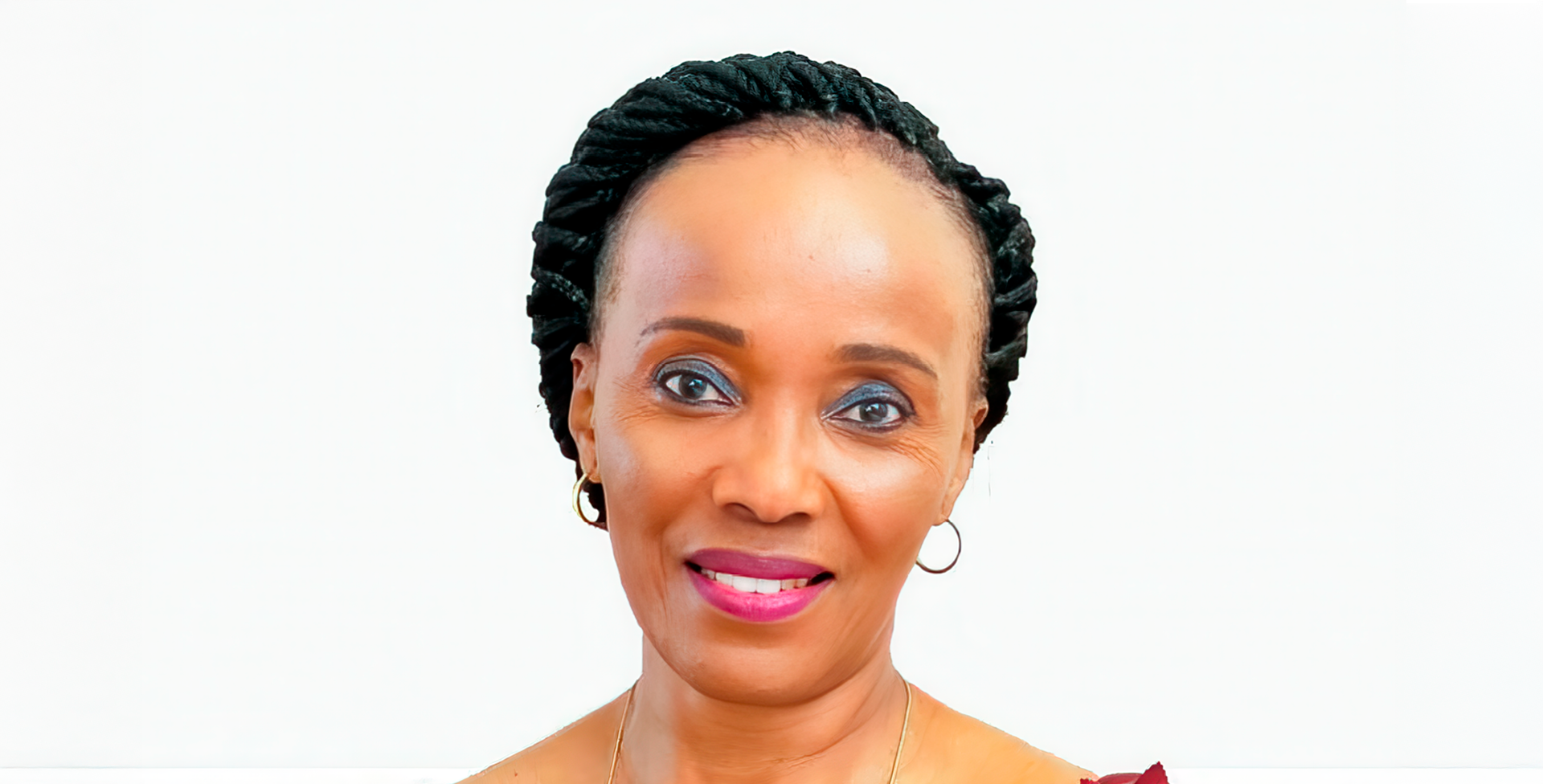
Minister Sindisiwe Chikunga looks at why access to
healthcare must be at the centre of women’s empowerment
Every August, South Africa pauses to celebrate the courage, resilience, and enduring contribution of women to the country’s democratic journey. Women’s Month is more than a commemorative occasion; it is a national call to accelerate gender equality, dismantle structural barriers, and create an enabling environment in which every woman and girl can realise her full potential.
The 2026 Women’s Month theme, “Empowered Women Empower the Nation”, captures a profound truth: the empowerment of women is inseparable from the prosperity, stability, and sustainability of our country. While empowerment is often discussed in terms of education, economic participation, and leadership, one equally important pillar deserves greater national attention–women’s health.
A nation cannot achieve inclusive development when millions of women continue to face unequal access to quality healthcare. Health is not merely a social service; it is a constitutional right, a development imperative, and an economic investment. Every woman who is healthy is better positioned to participate in the economy, raise healthy families, pursue education, contribute to community development, and assume leadership across society.
As South Africa advances the priorities of the Seventh Administration, improving women’s access to comprehensive healthcare must remain central to building an inclusive, capable and developmental state.
Health Is a Foundation for Empowerment
Women’s empowerment begins with the ability to live healthy, productive and dignified lives. Throughout their lives, women have unique healthcare needs–from adolescence and reproductive health to pregnancy, childbirth, menopause, and healthy ageing. These needs require responsive, accessible, and integrated health systems capable of delivering quality services regardless of income, geography or social status.
South Africa has made remarkable progress in expanding access to healthcare since 1994. Investments in primary healthcare, maternal and child health, HIV prevention and treatment, immunisation programmes, and reproductive health services have improved millions of lives.
Yet significant inequalities remain. Women living in rural communities often travel long distances to reach healthcare facilities. Those in informal settlements frequently encounter overcrowded clinics and extended waiting times. Women with disabilities continue to experience physical and communication barriers, while older women and those living in poverty often struggle to access specialised healthcare services.
These challenges are not merely health issues; they are barriers to equality, economic participation, and social justice. Removing them is essential if South Africa is to realise the constitutional promise that everyone has the right to access healthcare services.
Women’s Health Is an Economic Priority
Investing in women’s health is not an expenditure–it is nation-building.
Healthy women participate more effectively in the labour market, establish businesses, contribute to innovation, and increase household incomes. They are more likely to remain economically active, support children’s educational outcomes, and strengthen community resilience.
Conversely, preventable illness reduces productivity, increases household financial vulnerability, and places additional pressure on public health and social protection systems.
The evidence is clear: countries that invest in women’s health experience stronger economic growth, improved educational outcomes, and greater social cohesion.
For South Africa, where women continue to shoulder disproportionate caregiving responsibilities while driving much of the informal economy, improving health outcomes directly supports economic transformation and inclusive growth.
Women’s health is therefore both a social justice imperative and an economic necessity.
Prioritising Comprehensive Healthcare Across Every Stage of Life
Women’s empowerment requires healthcare that responds to every phase of life.
- This includes expanding access to:
- Comprehensive sexual and reproductive healthcare.
- Family planning and reproductive rights information.
- Safe maternal and neonatal healthcare.
- Cervical and breast cancer screening and early diagnosis.
- Mental health support and psychosocial services.
- HIV, tuberculosis and non-communicable disease prevention and treatment.
- Nutrition and wellness programmes.
- Healthcare services tailored for adolescent girls, women with disabilities and older women.
Equally important is ensuring that healthcare facilities become safe spaces where women are treated with dignity, respect, and compassion.
Quality healthcare is measured not only by clinical outcomes but also by the experience of every woman who enters a healthcare facility.
Integrating the Fight Against Gender-Based Violence
Women’s healthcare cannot be separated from South Africa’s response to Gender-Based Violence and Femicide (GBVF).
Healthcare facilities are often the first point of contact for survivors seeking assistance.
Hospitals and clinics therefore play a vital role in providing emergency medical treatment, forensic services, trauma counselling, psychosocial support, and referrals to legal and social protection services.
Strengthening the health sector’s response to GBVF supports implementation of the National Strategic Plan on GBVF while reinforcing the principle that survivors deserve comprehensive, survivor-centred care delivered with dignity and professionalism.
Healthcare workers remain indispensable partners in preventing violence, identifying vulnerable women, and ensuring that no survivor navigates the system alone.
Health Equity Means Leaving No Woman Behind
Women’s empowerment cannot exist where healthcare inequalities persist.
The Department of Women, Youth, and Persons with Disabilities continues to advocate for policies that promote inclusion and equitable service delivery.
This requires strengthening partnerships across government, civil society, development agencies, academia, organised labour, traditional leadership, and the private sector.
Mobile health clinics, digital health innovations, community health workers, and outreach programmes must continue expanding healthcare into underserved communities where women face the greatest barriers.
Special attention should be directed towards:
- Rural women.
- Young women and adolescent girls.
- Women with disabilities.
- Older persons.
- Women living in informal settlements.
- Migrant and vulnerable women.
- Women entrepreneurs and informal traders often limit access to healthcare services.
Inclusive healthcare strengthens social justice by ensuring that geography, disability or income never determines access to quality medical care.
Women’s Month Must Inspire Action
Women’s Month should be more than a celebration.
It should mobilise the nation around practical interventions that improve women’s lives.
Across the country, government departments, municipalities, healthcare institutions, civil society organisations, and the private sector should collaborate to deliver integrated Women’s Health and Wellness programmes.
These may include:
- Mobile health services reaching underserved communities.
- Breast and cervical cancer screening campaigns.
- Mental health awareness initiatives.
- Sexual and reproductive health education.
- Nutrition and healthy lifestyle promotion.
- Wellness programmes for women in workplaces.
- GBVF awareness and survivor support services.
- Community dialogues promoting health literacy.
Such initiatives embody a whole-of-government and whole-of-society approach that advances the constitutional promise of equitable healthcare.
A Shared National Responsibility
- The responsibility for improving women’s health does not rest solely with the healthcare sector.
- Employers must create healthier workplaces.
- Communities must challenge harmful social norms.
- Educational institutions must strengthen health education.
- Families must support women’s well-being.
- The private sector must continue investing in healthcare partnerships.
- Development partners must strengthen collaborative programmes that expand access to quality healthcare.
- Collectively, these efforts reinforce a simple but powerful principle: empowering women requires investing in their wellbeing.
Empowering Women Through Health
The 2026 Women’s Month theme reminds us that empowered women are the architects of stronger families, thriving communities and a prosperous nation.
- When women are healthy, children flourish.
- Families become more resilient.
- Communities become stronger.
- Businesses become more productive.
- The economy grows.
- The nation prospers.
Access to healthcare is therefore not simply about treating illness.
It is about unlocking human potential, expanding opportunities, and creating the conditions for women to participate fully in every sphere of society.
As South Africa continues implementing the priorities of the Seventh Administration, let us place women’s health where it belongs–at the heart of national development.
Because investing in women’s health is investing in South Africa’s future.
When every woman has access to quality healthcare, dignity and wellbeing, we do more than improve health outcomes–we build a stronger, more equal, and more prosperous nation.
Healthy women empower families. Empowered women empower communities. Empowered communities empower the nation.
Sindisiwe Chikunga is the Minister in the Presidency responsible for Women, Youth, and Persons with Disabilities.
Healthy women participate more effectively in the labour market, establish businesses, contribute to innovation, and increase household incomes