Runway ready: ACSA gears up for some of the
most complex construction projects in the country
ACSA prepares for a new wave of complex infrastructure projects as passenger numbers surge across South Africa’s airport network.
ACSA’s Group Executive: Capital Infrastructure & Asset Management, Charles Shilowa discusses the challenges and opportunities that lie ahead as the company emerges from the post-pandemic hangover.
ACSA recognises the essential role its airports play in supporting the cities and regions they serve, while contributing directly to South Africa’s national economic and social development.
From an airport infrastructure perspective, ACSA continuously tracks actual passenger numbers processed across the network and regularly reviews and updates master plans to reflect demand trends and operational requirements. Recent figures show strong growth across the network, with O.R. Tambo International Airport, Cape Town International Airport, and King Shaka International Airport all recorded meaningful increases in both international and domestic passenger volumes. These trends confirm the need for proactive planning to maintain safety, efficiency and service quality.
We recognise that rising passenger volumes represent the most pressing challenge for ACSA’s infrastructure development pipeline, with aggressive growth across the network, including O.R. Tambo International Airport (ORTIA), Cape Town International Airport (CTIA), King Shaka International Airport (KSIA) and local airports such as King Phalo Airport (KPA), George Airport (GRJ) and Chief Dawid Stuurman International Airport (CDSIA), Upington International Airport (UPN), Kimberley Airport (KIM), and Bram Fischer International Airport (BFIA). This surge strains existing facilities and requires both additional capacity and enhanced reliability to sustain seamless operations. ACSA is actively countering this by prioritising new capacity additions alongside maintenance in the five-year capital programme.
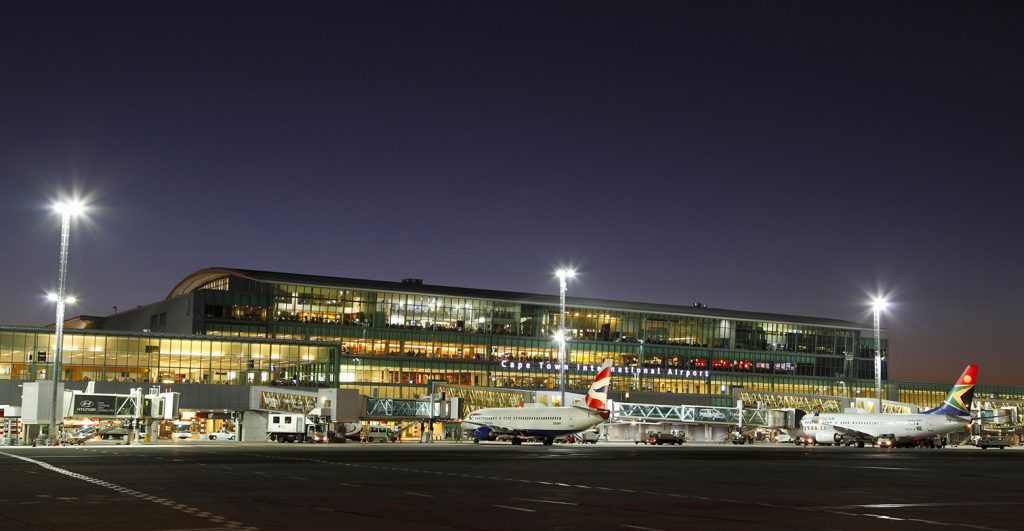
At ORTIA, CTIA and KSIA, we are delivering substantial new capacity to meet demand. At ORTIA, the R5.7-billion programme advances midfield cargo terminal development to accommodate growing cargo volumes, alongside the planning of the midfield passenger terminal to accommodate future traffic growth. The R6.2-billion runway realignment project at CTIA will increase aircraft movements from 30 to 45 per hour, providing significant airside capacity uplift and improved operational efficiency.
CTIA also includes expansions to both the international and domestic terminals to enhance passenger processing and overall throughput. Similar capacity-focused expansions are underway with targeted additions at local airports to support growing passenger traffic. All of these projects are undertaken in a live operational environment, where we must maintain full airport functionality and minimise inconvenience to passengers while keeping operations running safely and seamlessly, making these among the most complex construction endeavours in South Africa.
Economic pressures, such as annual grid power cost escalations and inflationary trends, affect project timelines and costs. Funding is secured through regulated aeronautical tariffs approved by the Regulating Committee, but grid dependency necessitates a shift to diversified clean and renewable energy sources. ACSA counters these by selecting high-impact projects, grouping related works for efficiency and aligning master plans with traffic forecasts and stakeholder requirements.
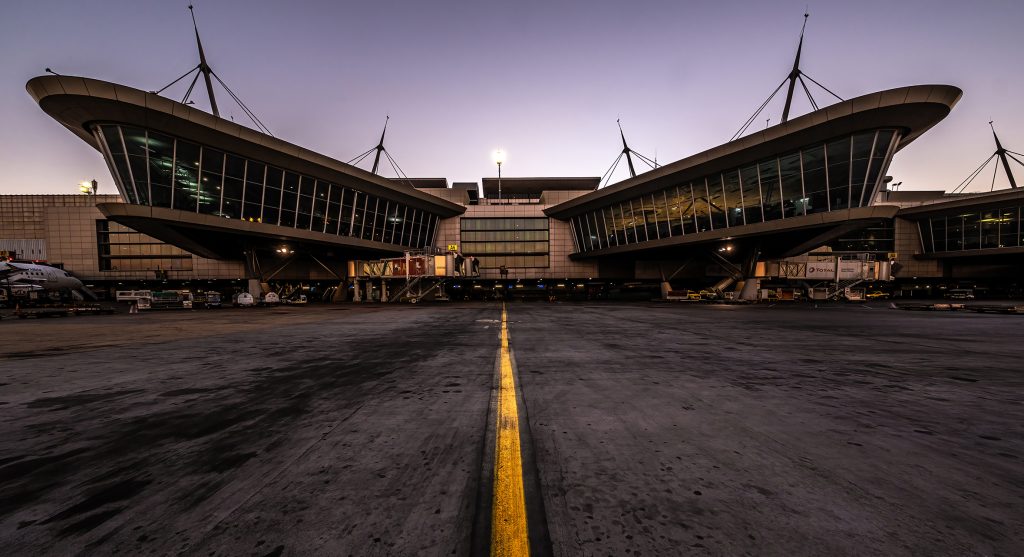
Asset obsolescence and the need for resilient systems remain risks at high-traffic locations.
While maintenance is a core component, reliability, availability and maintainability approaches have been adopted to prevent asset failures. The programme first emphasises new capacity and passenger journey improvements, such as optimised terminal layouts, additional contact stands, enhanced processing flows and modernised facilities to elevate the overall experience before focusing on refurbishment.
Developing local aviation industry capacity adds another layer, as specialised skills in built environment consulting, contracting and related services are limited in depth due to historical sector gaps. This presents both a challenge and an opportunity to drive transformation, empower communities and cultivate sustainable expertise. ACSA advances this through subcontracting targets, skills transfer programmes and preference for South African firms and emerging enterprises.
Creating a good but challenging working environment to attract and retain South African talent remains a priority, with a focus on developing the next generation of aviation experts through targeted training, mentorship and career pathways within the sector.
In parallel, the constant evolution of aviation trends and technology worldwide requires us to stay ahead. ACSA ensures we keep up to date through active partnerships, global benchmarking, sister airport agreements and continuous professional development to adopt innovations that enhance efficiency, sustainability and passenger experience.
Further challenges include land security and acquisitions, which require careful navigation of legal and regulatory processes to secure sites for expansions. Complex Environmental Impact Assessments (EIAs) demand thorough compliance while balancing timely delivery. We are responsible to surrounding communities, ensuring meaningful engagement, social responsibility and minimal disruption, even as we grow our airports. Integrating airports effectively into the cities they serve calls for continued engagement and alignment with city officials to achieve harmonious urban planning and shared economic benefits. We adopt a proactive approach by integrating stakeholder engagement, technology adoption and sustainability into the pipeline. These measures ensure ACSA delivers expanded capacity, improved passenger journeys and robust maintenance, supporting sustained growth, job creation and national economic priorities within the developmental state framework.
The focus on capacity at both major hubs and local airports also positions ACSA to better facilitate regional travel across sub-Saharan Africa, through enhanced connectivity and operational efficiency.
The infrastructure behind South Africa’s aviation network
While major construction programmes often capture the spotlight, they form part of a broader strategy to strengthen the infrastructure that underpins South Africa’s aviation system.
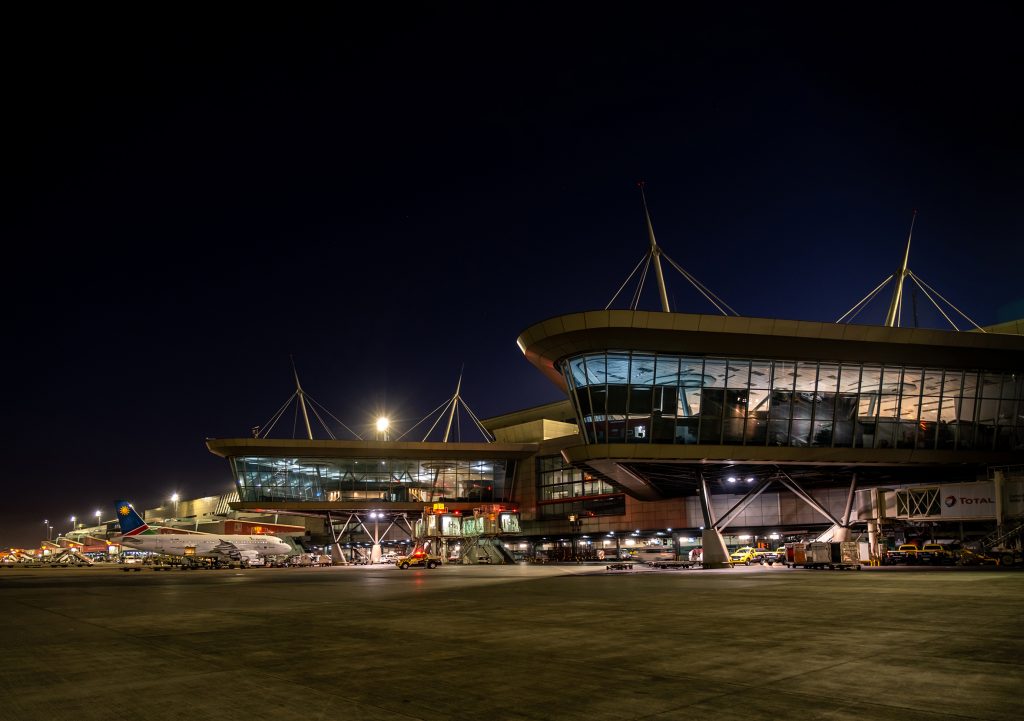
Airports Company South Africa operates nine airports across the country, including O.R. Tambo International Airport in Johannesburg, Cape Town International Airport and King Shaka International Airport in Durban.
Together these facilities serve as critical gateways for tourism, trade and business travel, connecting South Africa to international markets and supporting thousands of jobs across aviation, logistics and hospitality sectors.
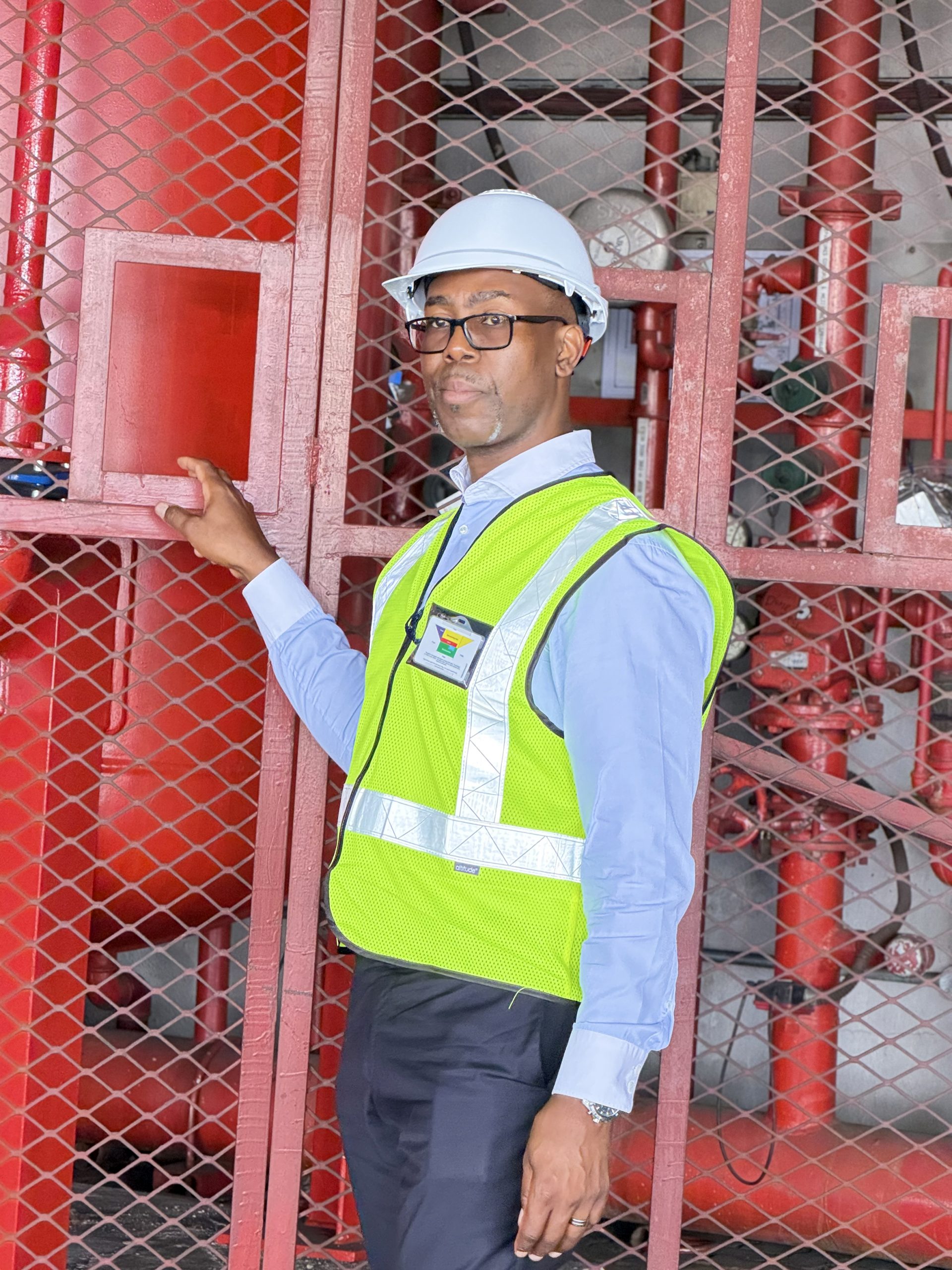
Ensuring that this network remains efficient, resilient and capable of supporting future demand requires careful long-term planning. Much of that responsibility sits with Charles Shilowa, ACSA’s Group Executive for Capital Infrastructure and Asset Management.
Shilowa oversees the infrastructure systems that keep South Africa’s airports functioning safely and efficiently.
Runways must meet stringent international safety standards; terminals must accommodate millions of passengers each year and supporting systems, from baggage handling to fuel infrastructure, must operate with near-perfect reliability.
This infrastructure rarely attracts attention from passengers, yet it forms the backbone of the aviation system.
Trained as a chemical engineer at the University of Witwatersrand, Shilowa often reflects on how his academic foundation shaped the way he approaches complex systems and long-term infrastructure planning. He holds a Bachelor of Science in Chemistry as well as a Bachelor of Science in Chemical Engineering, later complementing his technical grounding with postgraduate qualifications that broadened his strategic lens, including an MBA in Finance, a Higher Diploma in Tax Law, Maintenance Engineering, Reliability Engineering and Sustainability Leadership. For Shilowa, the combination of engineering precision and financial insight has been critical in navigating large-scale infrastructure environments.
He began his career applying this thinking in engineering design, process engineering and operations roles at Unilever, Sasol and Bromor Foods, where he spent a combined seven years developing a practical understanding of industrial systems and execution at scale. That early exposure, he notes, laid the groundwork for a career increasingly focused on the intersection of infrastructure, finance and long-term planning.
Prior to joining ACSA in 2015, Shilowa spent a decade at Rand Merchant Bank, specialising in infrastructure and transport financing across Africa. It was during this period that he was involved in several large-scale projects, including the rolling stock renewal programme between the Passenger Rail Agency of South Africa and the Alstom-led Gibela Rail consortium. These experiences, he has indicated, provided critical insight into the structuring, funding and delivery of complex infrastructure programmes, expertise that continues to inform ACSA’s long-term airport development strategy.
His relationship with the organisation, however, extends beyond his executive role. Shilowa previously served as a non-executive director in Mumbai and Brazil airports, offering him a broader, international perspective on airport management and governance. That continuity of experience, spanning technical training, financial structuring and global oversight, quietly underscores the depth of leadership guiding ACSA today.
Airport infrastructure plays a far broader role than facilitating air travel alone. Airports act as catalysts for economic activity, supporting tourism, enabling exports and connecting businesses to international markets. Efficient air connectivity strengthens the competitiveness of cities and regions while enabling investment and trade.
For this reason, ACSA’s infrastructure investments are closely aligned with broader national development priorities. Ensuring that airports remain modern, efficient and capable of supporting future growth is essential to sustaining economic development.
Modern airports are no longer simply transport nodes. They have evolved into integrated economic hubs that combine aviation operations with retail, logistics, hospitality and commercial development. Planning airport infrastructure therefore requires coordination across multiple sectors including aviation operations, tourism development, logistics and urban planning.
ACSA’s long-term infrastructure strategy reflects this integrated approach. Through ongoing capital investment, infrastructure upgrades and strategic planning, the company is positioning South Africa’s airport network to support future aviation growth while strengthening the country’s connectivity to the global economy.
Much of this work happens behind the scenes, yet it forms the foundation of the aviation system on which millions of travelers depend.
Every take-off and landing ultimately relies on infrastructure that has been carefully designed, financed and maintained.
For ACSA, and for leaders such as Charles Shilowa, the challenge is ensuring that South Africa’s airport infrastructure continues to evolve alongside the needs of a modern aviation economy, keeping the country connected to the world while supporting long-term growth and development.